
Quick Overview
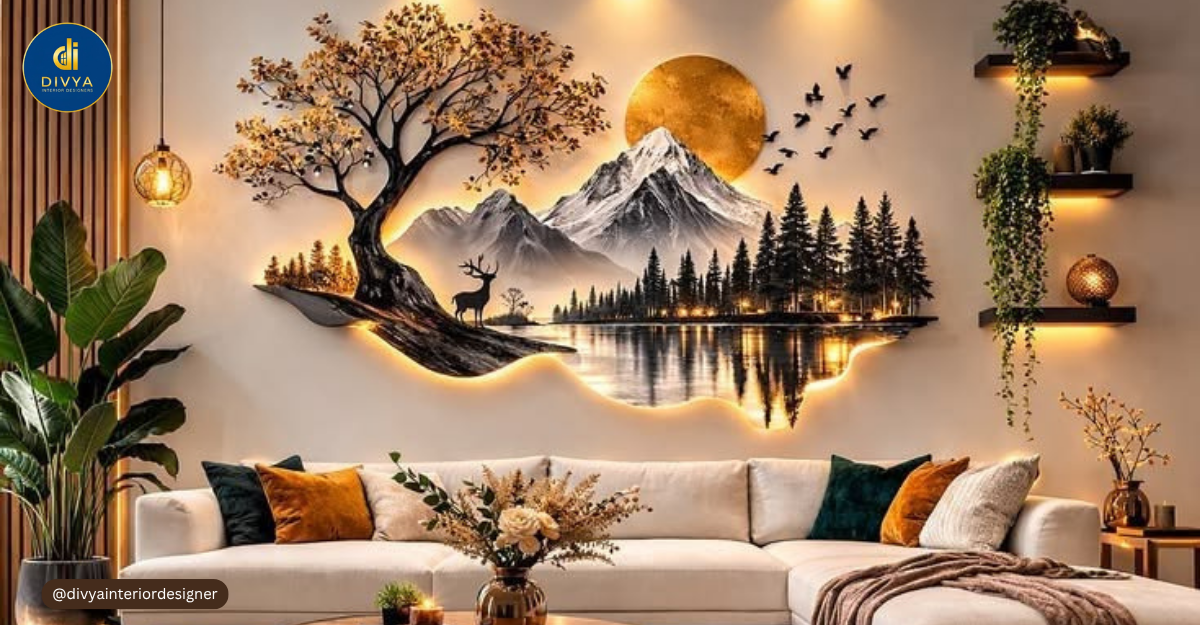
Modern decoration is about creating a home that looks beautiful, feels comfortable, and works for everyday life. From modern kitchen décor and modern room décor to elegant modern Victorian décor, the right choices can transform an ordinary space without requiring a complete renovation. This guide explores practical styling ideas, colour combinations, furniture choices, lighting, estimated budgets, and expert tips to help you create a modern home that reflects your personality.
Introduction: Your Home Deserves More Than Just Good Furniture 🏡✨
Modern decoration is not about filling every corner with expensive furniture or copying a picture from Pinterest. It is about creating a space that feels organised, welcoming, and genuinely yours.
Have you ever entered a beautifully decorated room and wondered why your own living room still feels incomplete, even after buying new furniture? The answer often lies in the details: lighting, colour balance, furniture placement, textures, and thoughtful decoration.
At Divya Interior Designer, we believe beautiful interiors should combine style with everyday comfort. Whether you are refreshing a flat, planning a new home, or upgrading a kitchen, the right design choices can make a noticeable difference.
Here is what you will discover in this guide:
- 🛋️ How to create modern room décor that looks stylish without feeling crowded.
- 🍽️ Practical ideas for modern kitchen décor that balance beauty and functionality.
- 🎨 Ways to blend modern Victorian décor with contemporary design.
- 💡 Budget-conscious modern home decorations that make a space feel complete.
- 📐 Tips for selecting colours, lighting, furniture, and materials that work together.
If your living room needs a fresh start, explore our guide to Living Room Interior Design Ideas for more inspiration.
Ready to make your home feel more like you? Let’s begin.
1. What Is Modern Decoration? The Art of Simple, Stylish Living
Modern decoration focuses on clean lines, practical furniture, balanced colours, natural textures, and purposeful accessories. The goal is not to make every home look identical. It is to create a space where each element has a reason to be there.
Imagine two living rooms. One has oversized furniture, too many cushions, several competing colours, and decorations on every surface. The other has comfortable seating, a coordinated colour palette, warm lighting, and a few carefully selected accessories.
The second room may contain fewer items, yet it can feel more inviting because everything works together.
Key elements of modern interior decoration
Clean and practical layouts: Arrange furniture to support conversation, movement, and daily activities. Leave comfortable walking space instead of squeezing in unnecessary pieces.
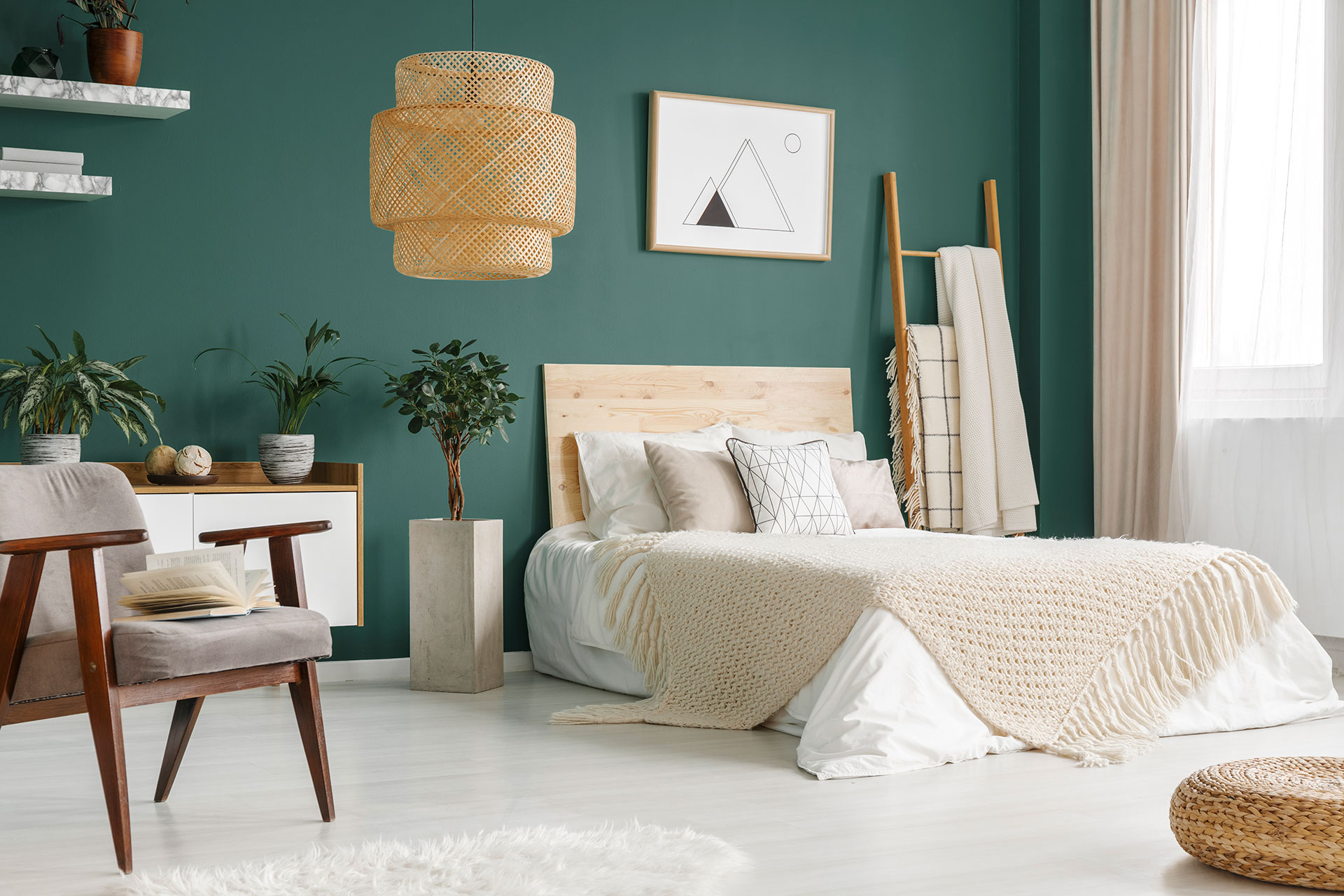
Balanced colour schemes: Choose a main colour, a supporting shade, and one or two accent colours. Warm white, beige, greige, sage green, and natural wood tones are versatile starting points.
Natural materials and textures: Wood, cotton, linen, cane, stone, and textured fabrics introduce warmth without making a room feel visually busy.
Purposeful accessories: A statement mirror, an attractive lamp, a framed artwork, or a beautiful indoor plant can provide more impact than dozens of unrelated decorations.
Why modern decoration works for Indian homes
Indian homes need to accommodate real life: family gatherings, cooking, guests, storage, changing weather, and different household routines. Modern design can address these needs without sacrificing character.
For example, a compact apartment can benefit from a storage ottoman, wall-mounted shelves, washable cushion covers, and curtains that allow daylight into the room. In a larger home, layered lighting, coordinated furniture, and carefully selected artwork can help different spaces feel connected.
The best design is not necessarily the most expensive one. It is the one that makes your home easier and more enjoyable to live in.
2. Modern Room Décor Ideas That Make Every Corner Count 🛋️
Modern room décor should create a balance between appearance and function. A room may look beautiful in photographs but still feel uncomfortable if the seating is poorly arranged or the lighting is harsh.
Start by identifying the room’s purpose. Is it a place for relaxing, entertaining guests, studying, or spending time with family? Once you know the answer, selecting furniture and decorations becomes much easier.
Choose a colour palette that feels cohesive
A simple palette can make an interior look thoughtfully designed.
- Warm white and beige: Create a bright, relaxed atmosphere.
- Sage green and natural wood: Add a calm, nature-inspired feeling.
- Charcoal and off-white: Introduce contrast for a contemporary look.
- Terracotta and cream: Bring warmth and personality to neutral interiors.
- Navy blue and muted gold: Create a more dramatic, refined appearance.
You do not need to repaint the entire house to introduce a new palette. Begin with cushion covers, curtains, a rug, lampshades, or artwork. Check the colours in both daylight and evening lighting before making larger changes.
Use lighting to change the mood
Lighting is one of the most overlooked parts of modern home decorations. A single bright ceiling light can make an otherwise attractive room feel flat.
Consider three types of lighting:
- Ambient lighting: Provides general illumination through ceiling fixtures or recessed lights.
- Task lighting: Helps with specific activities, such as reading, cooking, or working.
- Accent lighting: Highlights artwork, architectural details, display shelves, or decorative corners.
For example, a living room might combine a ceiling light, a floor lamp beside the sofa, and subtle lighting near a display unit. Select suitable fixtures and ensure electrical work is completed safely by a qualified professional.
Add personality without creating clutter
Choose one or two focal points instead of decorating every wall. A large artwork, a distinctive mirror, a textured accent wall, or a carefully styled shelf can give the room character.
Use objects that mean something to you, such as travel souvenirs, handmade pottery, family photographs, or locally crafted accessories. Personal touches prevent modern interiors from looking like an anonymous furniture showroom.
For additional furniture planning inspiration, explore IKEA India’s living room ideas.
3. Modern Kitchen Décor: Where Style Meets Everyday Function 🍽️
The kitchen is one of the hardest-working spaces in any home. It needs to look attractive while supporting cooking, cleaning, storage, and safe movement.
Successful modern kitchen décor begins with the layout, not the accessories. Before choosing cabinet colours or decorative lights, consider how people move between the refrigerator, sink, preparation area, and cooking zone.
Select kitchen colours and finishes carefully
Popular contemporary combinations include:
- White cabinets with a wood-effect finish.
- Matte beige cabinets with a contrasting countertop.
- Sage green cabinetry with simple metallic handles.
- Two-tone cabinets using a lighter upper section and a darker lower section.
- Neutral cabinetry with a patterned backsplash as the focal point.
Choose materials based on moisture resistance, cleaning requirements, durability, and your budget. A glossy finish may reflect more light, while a matte surface can create a softer appearance. Both require suitable care.
Make storage part of the design
A stylish kitchen quickly loses its appeal when counters become crowded with jars, appliances, and utensils.
Consider these practical options:
- Drawer organisers for everyday cutlery.
- Vertical dividers for trays and chopping boards.
- Pull-out storage where suitable.
- Wall-mounted rails for frequently used utensils.
- Dedicated spaces for small appliances.
- Closed cabinets for items that do not need to remain visible.
Keep frequently used objects within easy reach and store occasional-use equipment elsewhere. The arrangement should suit the people who actually cook in the kitchen.
Make small kitchens feel more open
In a compact kitchen, use consistent finishes, suitable lighting, and carefully planned storage. Reflective surfaces may help distribute light, while open shelves can display attractive essentials.
However, open shelves are not automatically the best solution for every household. In kitchens where dust, grease, or heavy daily cooking is a concern, closed storage may be easier to maintain.
The guiding principle is simple: choose a design that looks good on day one and remains practical after months of everyday use.
4. Modern Victorian Décor: Combine Classic Charm With Contemporary Style 👑
Modern Victorian décor brings together the elegance of traditional interiors and the simplicity of modern design. It can work beautifully for homeowners who appreciate decorative mouldings, rich colours, antique-inspired furniture, and distinctive architectural details.
The trick is to balance the two styles. Too many traditional ornaments can make a room feel heavy, while too many contemporary elements can remove the character that makes Victorian-inspired interiors special.
Start with one traditional statement feature
Choose a standout element, such as a decorative mirror, an upholstered accent chair, wall panelling, a vintage-style chandelier, or a patterned feature wall.
Let that element become the room’s focal point. Pair it with a simpler sofa, clean-lined tables, or restrained accessories to create contrast.
Combine rich colours with lighter surroundings
Deep green, burgundy, navy, and muted gold can introduce Victorian character. Balance them with cream walls, natural wood, simple curtains, or neutral upholstery.
For instance, a navy accent wall with a gold-framed mirror and a streamlined beige sofa can feel elegant without overwhelming the room.
Mix old-fashioned details with modern comfort
You do not need to purchase a complete antique furniture set. One vintage-inspired chair or a traditional side table can provide enough character.
Focus on comfort, proportion, and quality. A beautiful room should still offer comfortable seating, clear pathways, practical storage, and lighting suitable for everyday use.
Modern Victorian décor is particularly effective when you want a home that feels individual rather than copied from a catalogue.
5. Modern Home Decorations on a Budget: What Should You Spend? 💰
A home makeover does not always require a major renovation. Sometimes, rearranging existing furniture, updating textiles, improving lighting, and removing clutter can make a meaningful difference.
However, costs vary by city, room size, material quality, labour charges, and the amount of work involved. The following figures are illustrative planning estimates for India, not verified quotations or fixed market rates.
These ranges generally describe limited decoration or styling work. Major carpentry, plumbing, electrical changes, structural alterations, premium materials, and full modular kitchen installations may increase the cost substantially.
How to spend your budget wisely
Step 1: Identify the biggest problem. Is the room dark, cluttered, poorly organised, or visually outdated? Address the main issue first.
Step 2: Reuse what still works. Keep good-quality furniture and improve its appearance with new upholstery, hardware, or a different arrangement.
Step 3: Prioritise visible improvements. Curtains, lighting, wall colours, rugs, and a focal point can change the atmosphere without replacing everything.
Step 4: Reserve money for installation. Include delivery, labour, fitting, electrical work where necessary, and a contingency allowance.
Step 5: Compare itemised quotations. Ask providers to specify materials, dimensions, quantities, labour, taxes where applicable, delivery, warranty, and exclusions.
6. How to Choose an Interior Designer for Modern Decoration
The right professional can help you avoid mismatched purchases, inefficient layouts, and expensive last-minute changes. But choosing an interior designer should involve more than looking at attractive portfolio photographs.
Check the portfolio and design approach
Look for projects that resemble your home in size, layout, and style. Ask how the designer approaches lighting, storage, circulation, material selection, and maintenance.
A good designer should listen to your priorities instead of pushing a fashionable design that does not suit your lifestyle.
Ask for a clear scope and cost breakdown
Before work begins, clarify:
- Design consultation and drawing charges.
- Furniture and material specifications.
- Carpentry and installation costs.
- Project timeline and payment milestones.
- Changes, cancellations, and additional-work charges.
- Warranty terms and responsibility for defects.
Avoid relying solely on verbal promises. Request written estimates and documented terms so you know what is included.
Look for practical design expertise
A provider should understand both appearance and everyday use. A beautiful kitchen with insufficient storage or a stunning living room with awkward circulation is not a complete design solution.
Explore Divya Interior Designer to learn more about the business and its interior design services. Share your room dimensions, preferred style, photographs, and approximate budget when requesting a consultation.
7. Real-World Case Study: Modernising an Ancestral Chennai Home
Project reference: Studio Context Architects’ renovation of an ancestral home in Chennai, featured by Houzz India.
This published project offers a useful lesson in how modern decoration can respect a home’s history while improving its everyday functionality.
Background and problem
The homeowners wanted to modernise the first floor of an approximately 80-year-old ancestral property. The home contained distinctive traditional features, including red oxide and cement flooring, lime-plastered walls, teak doors and windows, and painted ceiling rafters.
The challenge was to make the home more suitable for contemporary living without removing the character that made it special. A complete change of style could have erased valuable architectural details.
Strategy and approach
The architects, Studio Context Architects, approached the renovation by re-emphasising the home’s existing character rather than treating every old feature as something to replace.
The project offers several practical lessons for modern decoration:
- Identify what deserves to stay. Existing materials and architectural features can become focal points instead of unnecessary renovation expenses.
- Improve the space around original details. Modern furniture, appropriate lighting, and thoughtful room planning can complement traditional finishes.
- Choose a coherent design direction. A consistent palette and carefully selected materials help older and newer elements work together.
- Design for the residents. Modernisation should improve comfort and usability rather than focus solely on visual appearance.
- Respect the home’s identity. Retaining distinctive materials can create a more personal result than replacing everything with standard contemporary finishes.
Results and impact
The documented project demonstrates how an older Indian home can be updated while preserving its architectural identity. Houzz’s published feature provides the project background and identifies the original materials that shaped the renovation.
It does not provide a verified percentage increase in property value, energy savings, or renovation return on investment, so such figures should not be assumed.
Read the Houzz India ancestral Chennai home renovation case study for the original project details.
Takeaway for your home
You do not need an 80-year-old house to use this approach. Perhaps your home has attractive wooden doors, a traditional cabinet, a patterned floor, or a piece of furniture with sentimental value.
Instead of replacing everything, identify what works, improve what does not, and introduce modern elements selectively. The result can feel contemporary without losing its personality.
Case-study note: This is a real published renovation example, not a project completed by Divya Interior Designer.
8. Modern Decoration Trends and Expert Tips for 2026
Interior trends can provide inspiration, but not every popular idea deserves a place in your home. The best modern home decorations are those that continue to look good and function well after the trend has passed.
Bring in natural textures and personal details
Natural wood tones, woven accessories, textured fabrics, handmade pottery, and indoor greenery can make contemporary interiors feel warmer.
Consider supporting local artisans or using existing household objects creatively. A traditional brass accessory or handmade textile can add character to a modern room without making the design feel old-fashioned.
Plan small spaces with flexibility in mind
In compact apartments, multifunctional furniture can serve several purposes. A storage bench, nesting tables, a sofa bed, or a well-planned wall-mounted desk can make limited space more useful.
Before purchasing furniture, measure doorways, walking paths, and the available floor area. IKEA India’s room-planning tools provide one example of how homeowners can explore layouts before committing to purchases.
Prioritise comfort, durability, and maintenance
Before selecting a finish or fabric, ask yourself three questions:
- Will it suit the way my household uses this room?
- Can I clean and maintain it easily?
- Will I still like it when the current trend fades?
For homes with children, pets, frequent guests, or heavy kitchen use, durable and easy-to-clean materials may be more valuable than delicate decorative finishes.
Modern decoration checklist
Before starting your project, make sure you have:
- Measured the room and noted fixed features.
- Selected a realistic budget.
- Chosen a coordinated colour palette.
- Planned general, task, and accent lighting.
- Prioritised storage and clear walking paths.
- Compared materials for durability and maintenance.
- Requested itemised quotations where professional work is required.
- Kept photographs and measurements for reference.
Frequently Asked Questions About Modern Decoration
1. What is modern decoration, and how is it different from traditional interior design?
Modern decoration focuses on clean lines, functional layouts, coordinated colours, practical storage, and carefully selected accessories. Traditional interior design may place greater emphasis on ornate furniture, intricate detailing, heritage patterns, and decorative craftsmanship. However, the two approaches can work together. For example, a contemporary living room can feature a traditional wooden cabinet or an antique-inspired mirror. The right approach depends on your preferences, available space, and lifestyle. Modern decoration does not mean removing every personal or traditional element; it means creating a balanced interior that feels comfortable, attractive, and practical.
2. How can I decorate my home in a modern style on a low budget?
Start by using what you already own. Rearrange furniture, remove unnecessary clutter, update cushion covers, introduce a coordinated curtain colour, and improve lighting where needed. Choose one focal point, such as a framed artwork, mirror, or attractive lamp, rather than purchasing numerous small accessories. Painting a wall or refreshing cabinet handles can also create a noticeable change without a complete renovation. Set a spending limit before shopping and compare prices carefully. If your budget is limited, update one room at a time. The aim is to improve the overall appearance and functionality of your home, not to purchase everything at once.
3. Which colours are best for modern room décor?
The best colours depend on room size, natural light, existing furniture, and the atmosphere you want to create. Warm white, beige, greige, and soft grey provide versatile backgrounds for many contemporary interiors. Sage green and natural wood create a relaxed, nature-inspired look, while navy or charcoal can add contrast when used thoughtfully. Terracotta and muted gold can introduce warmth without overwhelming a neutral palette. Before committing to a colour, test a small sample on the wall and observe it during daylight and evening lighting. Coordinate paint, flooring, upholstery, and curtains rather than selecting every item separately.
4. What is the difference between modern kitchen décor and a full kitchen renovation?
Modern kitchen décor usually involves cosmetic or limited changes, such as updating cabinet handles, improving lighting, changing accessories, repainting suitable surfaces, or introducing a new colour scheme. A full kitchen renovation can involve new cabinets, countertops, plumbing, electrical work, flooring, appliances, or layout changes. Decoration is generally less disruptive, although costs depend on the scope and materials. A renovation may be necessary when storage is inadequate, cabinets are damaged, or the layout no longer works. Before choosing either option, inspect the existing kitchen and identify the main problems. Request itemised quotations to understand what each approach includes.
5. Is modern Victorian décor suitable for small homes?
Yes. Modern Victorian décor can work in smaller homes when traditional details are used selectively. Instead of filling a compact room with heavy furniture, choose one or two statement pieces, such as a decorative mirror, an upholstered accent chair, or subtle wall panelling. Balance these features with lighter colours, streamlined furniture, and practical storage. Good lighting and clear walking paths help prevent the room from feeling crowded. You can also introduce Victorian-inspired character through framed artwork, patterned cushions, or elegant hardware rather than expensive structural changes. The goal is to preserve the charm of the style while respecting the limits of your available space.
Conclusion: Make Modern Decoration Work for Your Lifestyle 🏡
A beautiful home is not defined by the number of decorations you purchase or the amount of money you spend. It is defined by how well your space reflects your personality, supports your routines, and makes you feel comfortable.
From modern kitchen décor and modern room décor to modern Victorian décor, successful design begins with a clear plan. Choose a coordinated colour palette, prioritise useful furniture, make lighting work harder, and introduce accessories with purpose. Most importantly, set a realistic budget before starting.
If you are ready to transform your home, Divya Interior Designer can be your starting point for exploring interior design possibilities.
Visit https://divyainteriordesigner.com/ to explore the website and contact the team about your requirements.