
Quick Overview
Searching for interior design shops near me can feel overwhelming when every showroom promises beautiful furniture, stylish décor, and premium quality. The secret is to look beyond attractive displays and compare product quality, functionality, pricing, customisation, and professional support. Whether you are decorating a new apartment, refreshing a bedroom, or planning a complete home makeover, the right interior design store or interior design professional can help you make confident decisions and create a space that feels like home.
Introduction: Your Dream Home Starts with the Right Choice 🏡✨
Looking for interior design shops near me because your home needs a little more personality, better storage, or a complete makeover? You are not alone. Choosing the right furniture, colours, lighting, and décor can quickly turn an exciting project into a confusing shopping marathon.
One showroom recommends a luxurious sofa. Another offers a modular wardrobe. A third has beautiful decorative lights that somehow look essential to your happiness. Suddenly, your budget is wondering what happened!
The good news? You do not need to buy everything you see. You need a clear plan, the right products, and a design that suits your everyday life.
Divya Interior Designer helps homeowners explore interior design possibilities and make thoughtful decisions about their spaces. Visit https://divyainteriordesigner.com/ to learn more about interior design services and find inspiration for your next project.
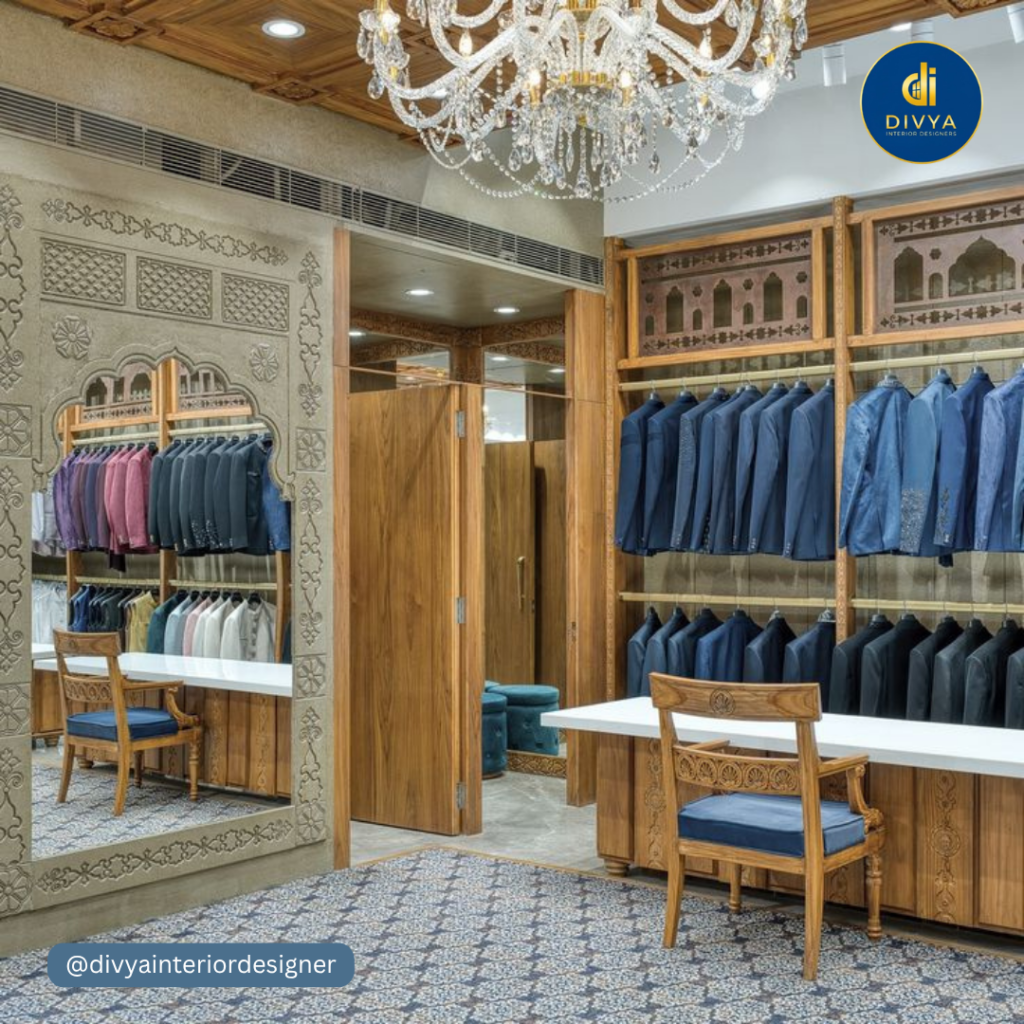
Before exploring interior design stores near you, remember these essentials:
- Know your priorities: Decide whether you need furniture, decorative accessories, modular solutions, or complete interior design assistance.
- Set a realistic budget: Keep installation, delivery, fittings, and finishing costs in mind.
- Measure before shopping: A beautiful piece of furniture is not useful if it blocks a doorway.
- Compare quality, not just prices: Materials, hardware, warranties, and after-sales support matter.
- Think about daily life: Your home should work for your family, routines, storage needs, and personal style.
If you are working with limited space, start with these practical interior design small home office ideas for inspiration on making compact rooms more useful without sacrificing style.
The goal is simple: create a home that looks inviting, functions beautifully, and feels comfortable long after the shopping bags are gone.
1. What Should You Expect from Interior Design Shops Near Me?
Not every interior design shop offers the same products or services. Some focus on ready-made furniture, while others specialise in lighting, furnishings, decorative accessories, modular kitchens, wardrobes, or customised interiors.
Understanding these differences helps you spend your time and money wisely.
Furniture and home furnishing stores
Furniture stores are useful when you need individual items such as beds, dining tables, sofas, chairs, side tables, or storage units.
Before purchasing, check the dimensions, construction, upholstery, finish, and cleaning requirements. Ask whether delivery and installation are included in the quoted price.
For example, a compact two-seater sofa may be a better choice than an oversized sectional if your living room also needs space for children, guests, or everyday movement.
Decorative accessories and lighting stores
Decorative stores help bring personality into a room through mirrors, artwork, curtains, lamps, rugs, cushions, and decorative objects.
However, accessories work best when they complement an existing design rather than compete with it.
Choose a colour palette first. Then select a few pieces that create a consistent look. A coordinated room often feels more sophisticated than one filled with unrelated purchases.
Modular kitchens, wardrobes, and customised interiors
Some interior design stores offer modular solutions, made-to-measure furniture, and space-saving storage.
These options can be especially useful for apartments where every centimetre matters.
Ask about material specifications, moisture resistance, hardware brands, installation timelines, and warranty conditions. Request a detailed quotation rather than relying only on an attractive package price.
Remember that a showroom display demonstrates possibilities, not necessarily the exact materials or finishes included in your order.
2. Interior Design Stores Near Me: How to Choose the Right One
Finding interior design stores near me is easy with a search engine. Finding a reliable store that matches your requirements takes a little more research.
Use the following steps before making a purchase.
Step 1: Search with a specific requirement
Instead of searching only for interior design shops near me, try more descriptive searches such as:
- Furniture and home furnishing stores near me
- Modular kitchen stores near me
- Custom wardrobe designers near me
- Home décor and lighting shops near me
- Interior design consultation near me
More specific searches help you identify businesses that match the work you actually need.
Step 2: Check reviews, photographs, and business details
Read recent customer reviews and look for consistent feedback about product quality, delivery, communication, installation, and after-sales service.
Examine customer photographs where available. A polished showroom photograph tells you how a product is presented; genuine customer images may reveal how it looks in an everyday home.
Check the business address, contact details, working hours, return policy, and warranty terms before visiting.
Do not rely on star ratings alone. A thoughtful review describing the complete purchasing experience can be more useful than a short rating without details.
Step 3: Compare at least three suitable options
Visit or contact a few stores before making a significant purchase.
Compare similar products rather than comparing a basic unit with a premium model.
| What to compare | Questions to ask |
|---|---|
| Product quality | What materials and finishes are used? |
| Price | What exactly is included in the quotation? |
| Customisation | Can the dimensions, colour, or layout be changed? |
| Delivery | What is the expected delivery date? |
| Installation | Is fitting included or charged separately? |
| Warranty | Which components are covered, and for how long? |
| After-sales support | Whom should you contact if something goes wrong? |
A slightly higher quotation may offer better hardware, installation, or warranty coverage. Compare the complete value rather than choosing the lowest number automatically.
Step 4: Match the provider to the project
If you only need a coffee table, a furniture shop may be enough.
If you are renovating a complete apartment, coordinating flooring, lighting, storage, furniture, and colour schemes may require a broader design plan.
For professional guidance, explore trusted interior design services near me to understand how interior design assistance can fit into your planning process.
The right choice depends on the scale of the project, your budget, and how much coordination you want help with.
3. Shop Interior Design Ideas for Different Rooms
A good interior design plan begins with how you use a space. Trends can provide inspiration, but comfort, movement, maintenance, and practicality should guide your final decisions.
Living room: Comfort meets personality
The living room often serves several purposes: relaxing, entertaining guests, watching television, and spending time with family.
Start with the sofa and the available walking space. Then plan the television unit, lighting, curtains, rug, and decorative accents around them.
Useful ideas include:
- Choose furniture that fits the room’s proportions.
- Use layered lighting for different activities.
- Add cushions or artwork to introduce colour.
- Include closed storage to reduce visible clutter.
- Keep pathways clear around doors and frequently used furniture.
A neutral foundation with a few colourful accents can also make future updates easier and less expensive.
Bedroom: Make rest the priority
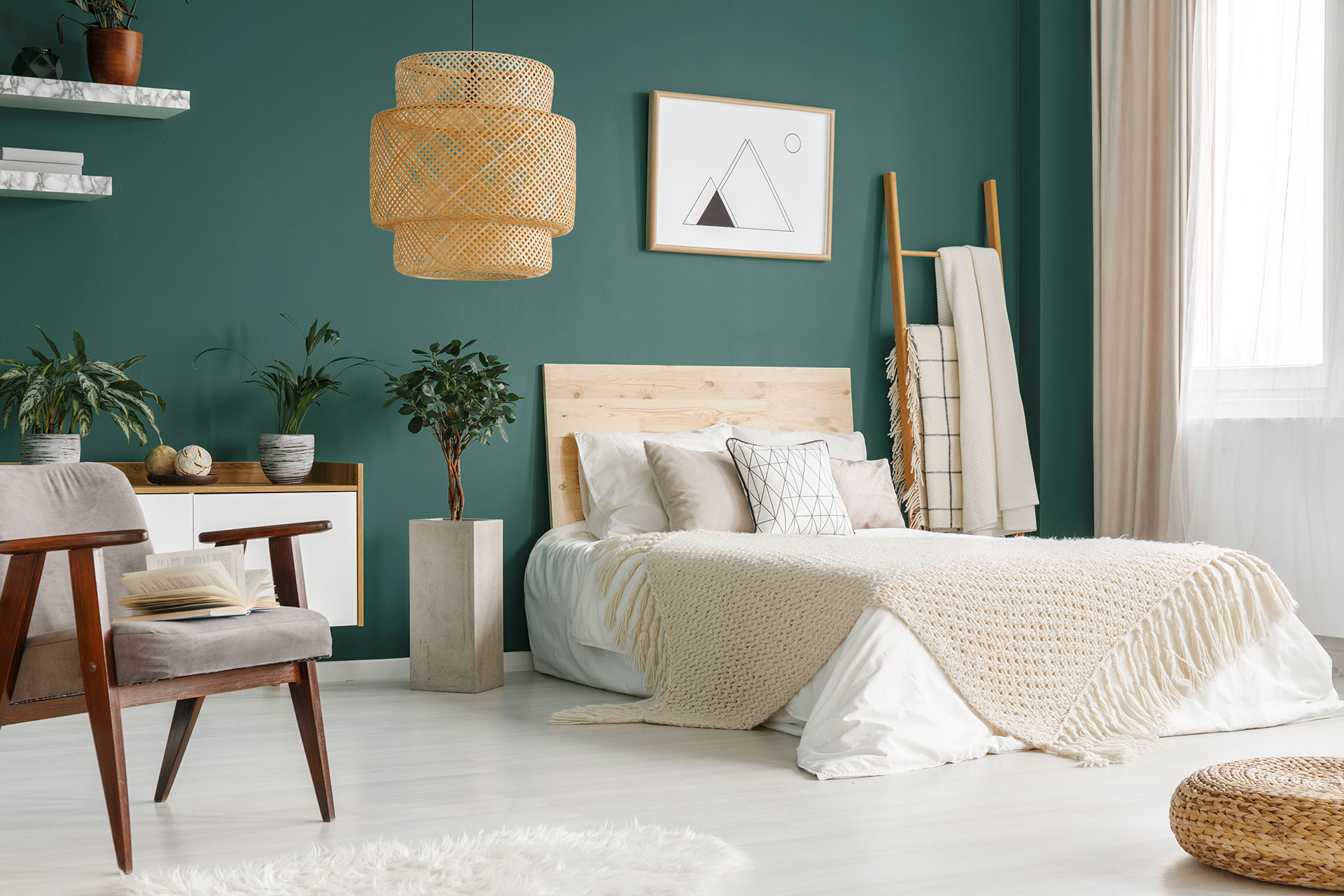
A bedroom should feel restful, organised, and personal.
Consider a bed with suitable proportions, practical bedside storage, comfortable lighting, and curtains that meet your privacy needs. If space is limited, vertical storage and sliding wardrobe doors may help.
Avoid choosing a wardrobe solely because it looks impressive in a showroom. Check internal shelves, hanging space, drawer depth, and access to electrical points.
The best bedroom design supports your routine instead of forcing you to work around the furniture.
Kitchen: Plan around everyday tasks
Kitchen design requires careful attention to workflow, storage, ventilation, cleaning, and safety.
Before visiting modular kitchen stores, list the appliances you own, the items you use frequently, and your preferred cooking routine.
Think about:
- Storage for everyday utensils and cookware.
- Easy-to-clean work surfaces.
- Sufficient task lighting.
- Suitable ventilation.
- Accessible drawers and shelves.
- Appropriate materials for moisture and heat exposure.
A kitchen can look wonderful in a photograph but become frustrating if frequently used items are difficult to reach. Function first, finishing touches second.
Small apartments: Make every corner count
Compact homes benefit from careful furniture selection and thoughtful storage.
Consider wall-mounted shelves, multifunctional furniture, sliding doors where appropriate, mirrors, and light colours that work with the available daylight.
Avoid filling every empty corner with a decorative object. Negative space—the areas you deliberately leave open—can make a room feel calmer and easier to use.
A practical rule: measure the room, plan the main furniture, and then decide which accessories genuinely improve the space.
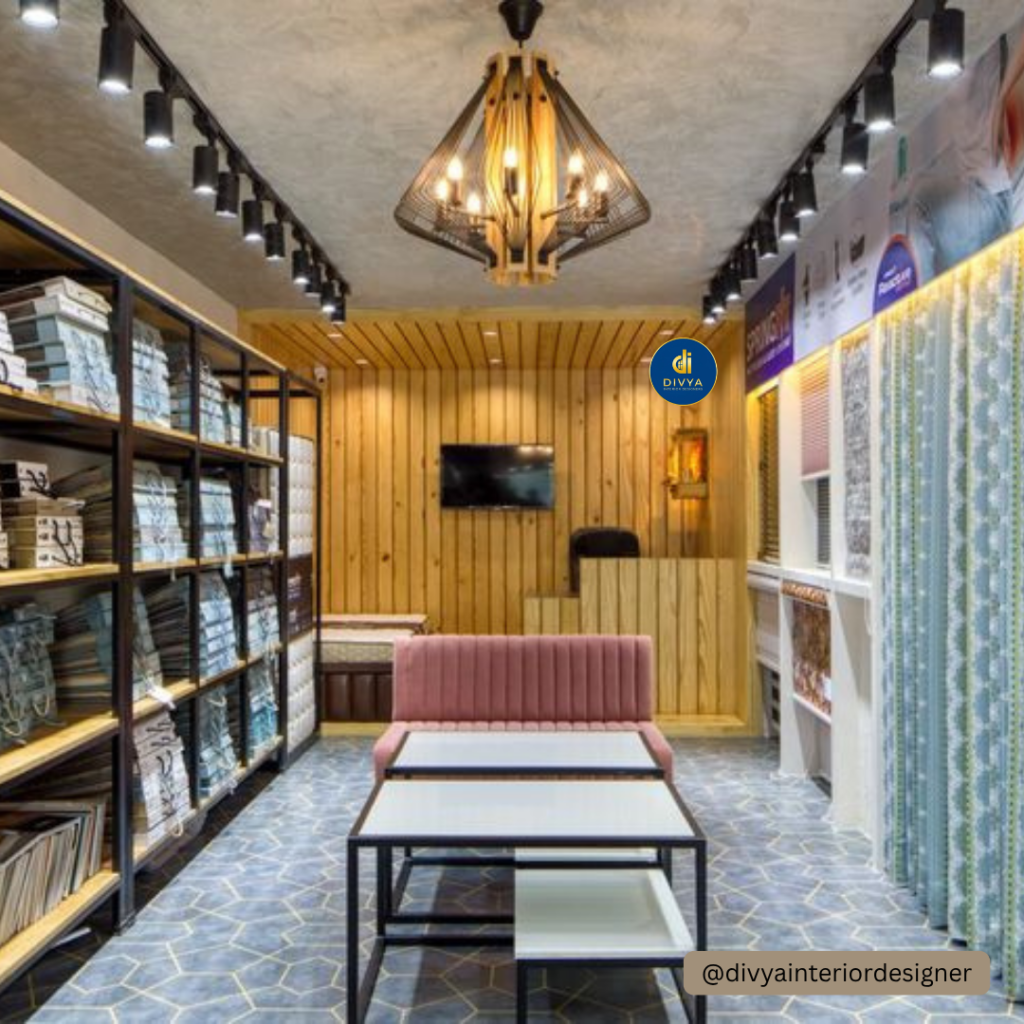
4. Interior Design Stores: Budget, Charges, and Value
One of the most common mistakes when shopping for interiors is budgeting for the visible product while forgetting everything needed to install and use it.
A wardrobe quotation, for example, may not include delivery, electrical changes, additional accessories, or certain installation services.
What affects interior design costs?
The total cost depends on several factors:
- Material: Solid wood, engineered wood, laminates, veneers, and other finishes have different costs and maintenance needs.
- Size: Larger furniture and more extensive cabinetry generally require more materials and labour.
- Customisation: Unusual dimensions, specialised finishes, and bespoke designs may increase costs.
- Hardware: Hinges, drawer channels, handles, and fittings affect both price and usability.
- Labour and installation: Charges vary by project, provider, and location.
- Design services: Consultation, drawings, planning, and project coordination may be priced separately.
There is no single price that applies to every home. Request itemised quotations from providers serving your location and compare equivalent specifications.
Build a practical budget
Use this simple planning table before visiting interior design shops near me.
| Budget category | What to include |
|---|---|
| Furniture | Beds, sofas, tables, chairs |
| Storage | Wardrobes, cabinets, shelves |
| Finishes | Paint, laminates, decorative finishes |
| Lighting | Fixtures, lamps, installation |
| Furnishings | Curtains, rugs, cushions |
| Labour | Assembly, fitting, installation |
| Contingency | Reserve for unexpected expenses |
Keep a contingency reserve based on the project’s complexity and your financial comfort. Avoid committing your entire budget before obtaining detailed quotations.
A simple cost-estimator formula
Estimated project cost = Product costs + Delivery + Installation + Design fees + Additional work + Contingency
This is an illustrative calculation, not a market quotation. Actual prices depend on the products, provider, location, and scope of work.
Where can you save without compromising quality?
Spend strategically on frequently used furniture, dependable hardware, and items that are difficult to replace later.
You may be able to save on decorative accessories, temporary styling pieces, or products that can be upgraded gradually.
Ask stores about display models, seasonal promotions, and package inclusions. Confirm the condition of discounted products and read the terms before paying.
The objective is not to buy the cheapest possible interior. It is to create the best functional space your budget can reasonably support.
5. Interior Design Trends and a Real-World Industry Case Study
Modern interior design is moving beyond attractive furniture and decorative finishes. Homeowners increasingly consider convenience, personal expression, functionality, and the overall shopping experience.
Trends worth considering in 2026
Multifunctional furniture: Beds with storage, extendable dining tables, and flexible workspaces can help homes adapt to changing needs.
Personalised interiors: Homeowners are increasingly interested in colours, layouts, and furnishings that reflect their routines rather than simply copying a trending photograph.
Digital planning: Online catalogues, video consultations, room-planning tools, and augmented-reality features can help shoppers evaluate options before purchasing.
Practical sustainability: Durable products, repairable furniture, responsible material choices, and longer product lifespans can reduce unnecessary replacement.
Connected shopping experiences: Customers may discover products online, inspect them in person, compare prices digitally, and complete their purchase through another channel.
These developments are consistent with broader changes in India’s home and household market.
Case study: How India’s home market is changing
Background and challenge
Home furnishing businesses need to serve customers who want attractive products but also expect convenience, reliable information, and value for money. Traditional showroom displays alone may not answer every question a customer has before buying.
Strategy and approach
A September 2026 Deloitte India report, The Home Reset, examined changes in India’s home and household market. Its findings highlight several useful approaches for interior retailers and homeowners:
- Connect online discovery with physical shopping. Help customers research products, compare specifications, and then examine materials and finishes in person.
- Offer more personalised choices. Make it easier to compare sizes, colours, layouts, and storage configurations.
- Explain value clearly. Provide understandable information about materials, durability, warranties, and installation.
- Think beyond individual products. Consider how furniture, furnishings, lighting, and storage work together within a complete home.
These are report-based market projections, not guaranteed outcomes for any individual business. They indicate the potential scale of the sector and the importance of improving the customer experience.
Source: Deloitte India’s home and household market report.
Takeaway for homeowners
When comparing interior design stores near me, look for providers that make the buying process clear and coordinated. Good decisions depend on product information, realistic budgets, thoughtful planning, and dependable communication—not simply attractive displays.
For interior businesses, the lesson is equally practical: help customers understand how products fit their homes, not just how products look in a showroom.
Expert tip: Research before you visit
Create a short list of preferred styles, room measurements, budget limits, and essential purchases.
Save reference photographs, but treat them as inspiration rather than exact specifications. Your room dimensions, lighting, ventilation, and daily needs may be different from those in the photograph.
6. Your Checklist Before Choosing an Interior Design Shop
Before placing an order, use this checklist to avoid common and costly surprises.
- Measure the room, doorways, and access routes.
- Confirm the product dimensions and material specifications.
- Check finishes, colours, and hardware in person where possible.
- Request a written, itemised quotation.
- Clarify delivery, installation, and additional charges.
- Review warranty, cancellation, return, and repair policies.
- Confirm the expected delivery and completion dates.
- Keep copies of invoices, drawings, and agreed specifications.
- Verify the provider’s contact details and after-sales process.
- Make sure the final purchase fits your overall design plan.
For larger projects, document important decisions in writing. This makes it easier to compare quotations and resolve misunderstandings.
How to use the checklist effectively
Do not feel pressured to make a decision during your first showroom visit. Collect information, compare options, and return when you have a clearer picture of the total cost.
A professional provider should be willing to explain specifications and help you understand what you are purchasing.
The right interior design shop should make your decisions easier—not leave you with more unanswered questions.
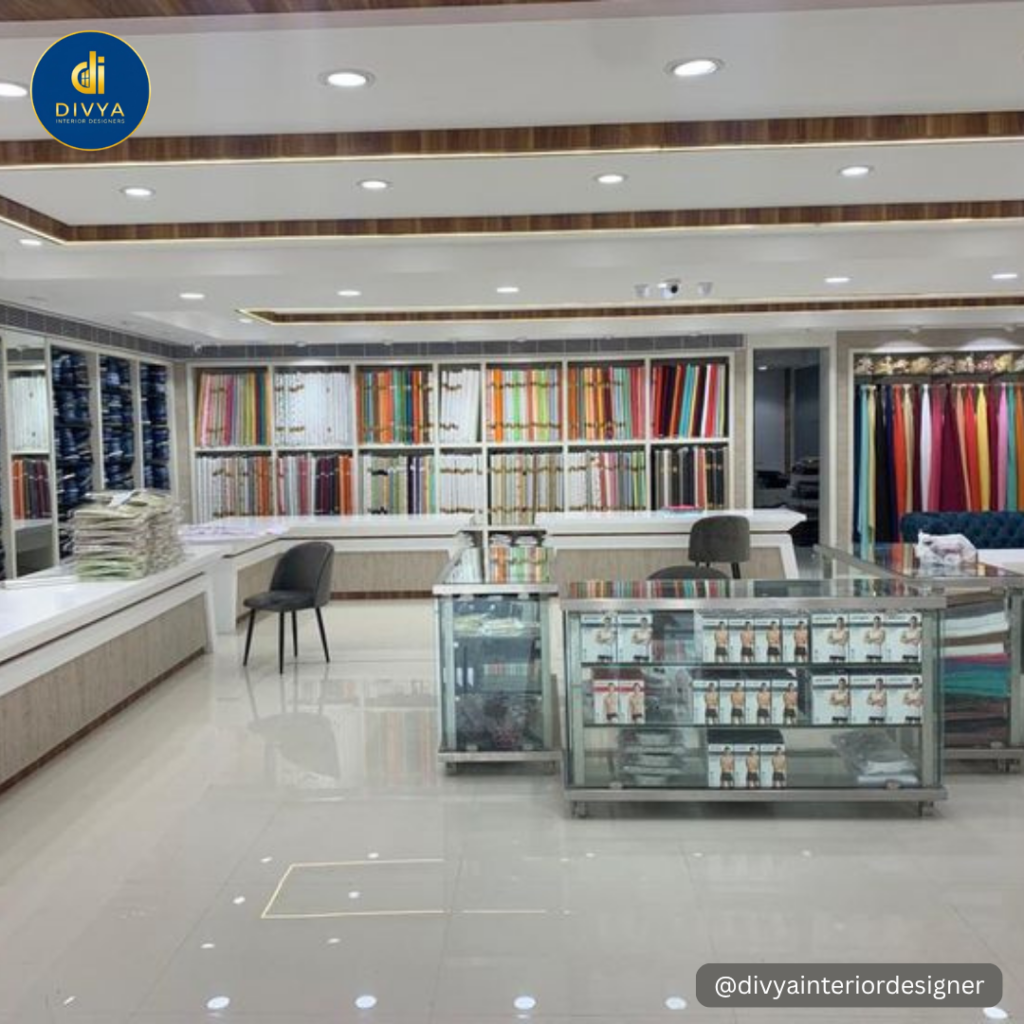
People Also Ask: Interior Design Shops Near Me
1. How do I find the best interior design shops near me?
Start by searching for the specific products or services you need, such as furniture, home décor, modular kitchens, wardrobes, or complete interior design. Check recent customer reviews, photographs, business details, and warranty policies. Visit at least two or three suitable stores and compare similar products, including material quality, delivery, installation, and after-sales support. Ask for itemised quotations before making a major purchase. If you are planning several rooms, consider whether working with an interior designer could help coordinate furniture, colours, lighting, and storage more effectively than purchasing each item separately.
2. What is the difference between an interior design shop and an interior designer?
An interior design shop generally sells products such as furniture, lighting, furnishings, accessories, or modular storage. An interior designer focuses on planning and coordinating spaces around a client’s requirements, preferences, and budget. Depending on the provider, design services may include layouts, colour selection, material recommendations, furniture planning, and project coordination. Some businesses offer both products and design assistance, while others specialise in only one area. Before choosing, clarify what is included in the service, whether drawings or installation are provided, and whether the quoted fee covers products, labour, or professional guidance separately.
3. How much do interior design shops charge in India?
There is no standard price for every interior design shop in India. The cost depends on the product, material, size, brand, customisation, location, and installation requirements. Buying a ready-made table is different from commissioning a custom wardrobe or renovating an entire apartment. Ask for an itemised quotation that separates product costs, delivery, installation, hardware, taxes where applicable, and additional work. Compare at least three quotations with similar specifications before deciding. If you are hiring a designer, ask whether the fee is fixed, room-based, percentage-based, or charged through another clearly explained arrangement.
4. Are interior design stores near me better than shopping online?
Physical stores and online shopping each have advantages. Visiting a showroom lets you inspect finishes, test furniture comfort, and discuss specifications directly with staff. Online shopping can make it easier to browse larger catalogues, compare prices, and discover styles from different brands. A practical approach is to research products online first, then visit a showroom for important purchases when possible. Before ordering through either channel, verify dimensions, material descriptions, delivery charges, return conditions, and warranty coverage. For customised furniture or large installations, confirm the measurements and final specifications in writing.
5. Can I hire an interior designer instead of visiting multiple shops?
Yes. An interior designer can help you plan a coordinated space, identify suitable products, compare materials, and make decisions that fit your budget and lifestyle. This can be particularly useful when furnishing several rooms, designing a modular kitchen, or working with limited space. However, the scope of service varies between professionals. Some provide design recommendations only, while others also assist with purchasing, installation, and project coordination. Before appointing anyone, discuss your requirements, timeline, budget, deliverables, payment schedule, and responsibilities. Review the agreement carefully so you know exactly what support you will receive.
6. What should I check before buying furniture from an interior design shop?
Check the dimensions, construction, material, finish, comfort, and suitability for your room. Ask about the warranty, delivery schedule, assembly, installation, and return or repair policy. For wardrobes and modular furniture, inspect internal storage, hinges, drawer channels, and other hardware. For upholstered furniture, understand the fabric’s cleaning requirements and whether the upholstery can be maintained easily. Measure doorways and access routes to ensure the item can be delivered without difficulty. Finally, obtain a written quotation and keep the invoice and agreed product specifications for future reference.
Conclusion: Find the Right Interior Design Solution for Your Home
Searching for interior design shops near me is the beginning of creating a home that feels comfortable, organised, and genuinely yours.
The best choice is not necessarily the most expensive showroom or the trendiest furniture collection. It is the provider that understands your needs, explains the costs clearly, offers suitable products, and helps you make informed decisions.
Before purchasing, compare quality, functionality, installation, warranty, and overall value. Plan each room around the way you live, and leave enough flexibility in your budget for unexpected requirements.
Whether you are refreshing a single bedroom, furnishing a new apartment, improving a small home office, or planning a complete transformation, Divya Interior Designer can be a starting point for exploring your interior design requirements.
Visit https://divyainteriordesigner.com/ to learn more and take the next step towards a thoughtfully designed home.
Ready to plan your space? Get in touch through the Divya Interior Designer contact page to discuss your requirements and explore suitable interior design solutions.