
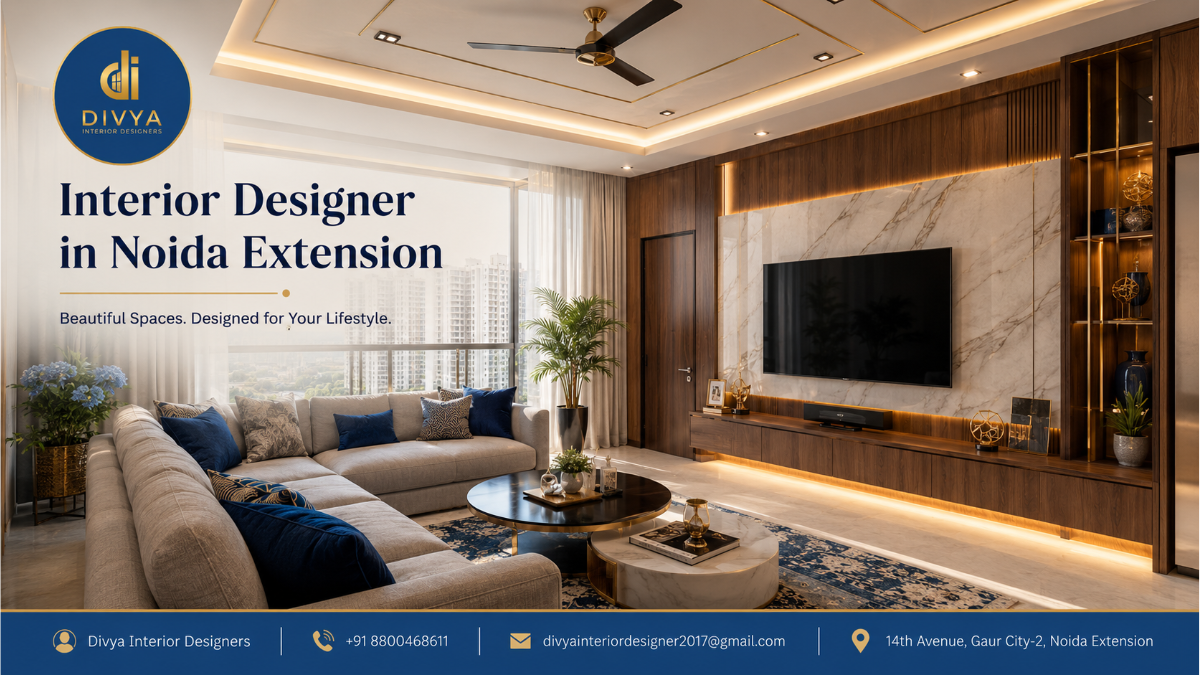
Finding the right interior designer in Noida Extension can make the difference between a home that simply looks attractive and one that genuinely works for everyday life. From modular kitchens and wardrobes to lighting, storage, furniture and colour planning, professional interior design helps you use every corner wisely. This guide covers design ideas, budgeting, selection tips, current trends, common mistakes and practical questions to ask before starting your home interior project.
Introduction: Your New House Deserves More Than Basic Furniture
- An interior designer in Noida Extension can turn an ordinary apartment into a personalised, comfortable and functional home.
- New homeowners often face the same problems: insufficient storage, unused corners, poorly planned furniture and rooms that feel smaller than expected.
- Good interior design begins with understanding your lifestyle—not simply choosing attractive colours or expensive finishes.
- Smart planning can make compact apartments feel more open without changing their actual size.
- From the kitchen you use every morning to the bedroom where you unwind at night, every room should have a purpose.
- If you are specifically planning your kitchen, explore Kitchen Interior Design Services in Greater Noida West for additional ideas and planning inspiration.
There is something exciting about receiving the keys to a new home.
For a few minutes, the empty rooms feel enormous.
Then reality arrives.
Where will the wardrobe go?
Where will the washing machine fit?
Why is there a plug point exactly where the TV unit needs to be?
And where, exactly, are all those shoes supposed to live?
This is where professional interior planning becomes valuable.
An experienced interior designer in Noida Extension does more than make rooms look attractive. The real job is to understand how you live and convert that understanding into layouts, storage, materials, furniture and lighting that make daily life easier.
Your home should not simply photograph well.
It should work well on a Monday morning.
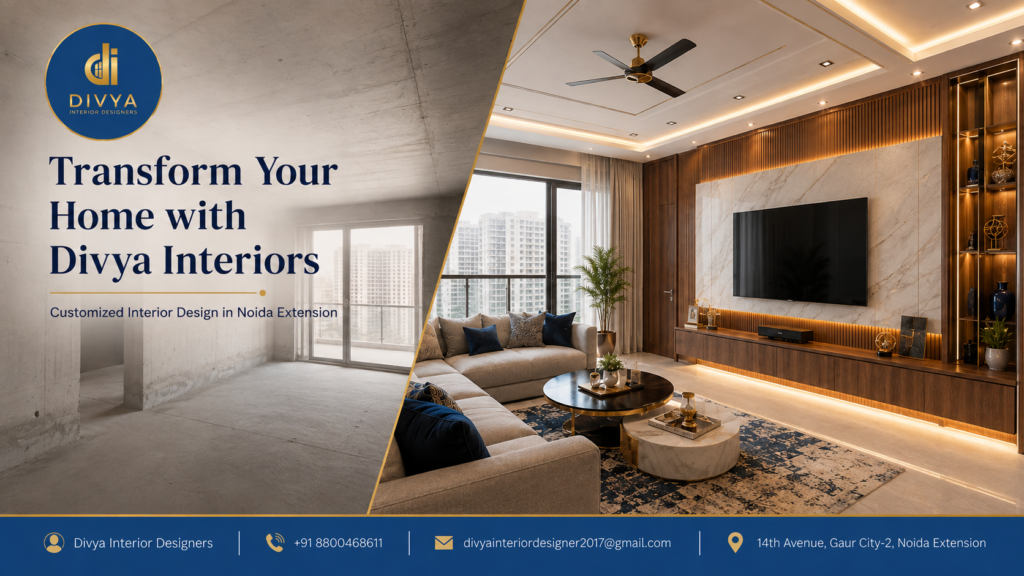
Why Choose an Interior Designer in Noida Extension?
Noida Extension, also known as Greater Noida West, has become a popular residential destination with numerous apartment communities and growing infrastructure.
Many homes may have similar layouts, but the people living inside them have completely different needs.
A young couple may want a home office.
A family with children may need additional storage.
Someone working from home may need quiet corners.
Another homeowner may want a minimal, peaceful space with fewer visible objects.
This is why interior design should never be completely one-size-fits-all.
1. Make Better Use of Every Square Foot
Space planning is one of the most important parts of interior design.
A professional designer studies:
- Room measurements
- Doors and windows
- Natural light
- Electrical points
- Furniture dimensions
- Storage requirements
- Appliance placement
- Walking paths
- Family requirements
The goal is to eliminate wasted space.
For example, an empty corner may become a compact study desk. A full-height wardrobe can turn unused vertical space into valuable storage. A TV unit can combine entertainment and concealed storage.
The apartment does not become physically bigger.
It simply becomes better organised.
2. Create Interiors Around Your Lifestyle
Your home should reflect your routine.
If you cook frequently, the kitchen needs functionality.
If you work remotely, the home needs a comfortable work zone.
If you have children, storage and safety become more important.
If you entertain guests often, the living and dining areas need flexible seating.
The best interior designers in Noida Extension begin with these questions instead of immediately discussing wallpaper and colour palettes.
3. Avoid Costly Design Mistakes
Interior mistakes can be expensive.
Imagine installing a wardrobe and later discovering that the bed blocks one of its doors.
Or purchasing a large sofa before checking the room’s circulation.
Or completing the false ceiling before finalising lighting positions.
Professional planning helps identify such issues before they become construction problems.
4. Coordinate Different Work
A complete home interior may involve several professionals:
- Carpenter
- Electrician
- Painter
- Plumber
- False-ceiling team
- Modular kitchen team
- Furniture supplier
- Lighting supplier
- Installation workers
Without proper coordination, one team’s work can interfere with another’s.
A professional design and execution process brings these elements together under one plan.
Interior Design in Noida Extension: Where Should You Begin?
The easiest way to begin is not by asking:
“What style do I want?”
Instead ask:
“What problems do I want my home to solve?”
Maybe your current home has nowhere to store winter clothes.
Maybe your kitchen counter is always crowded.
Maybe your bedroom needs a work desk.
Maybe your living room looks dark.
These problems should influence the design.
Create a Room-Wise Requirement List
Before meeting an interior designer, prepare a simple list.
| Area | Primary Need | Additional Requirement |
|---|---|---|
| Living Room | Comfortable seating | TV and storage |
| Kitchen | Functional storage | Appliances |
| Master Bedroom | Wardrobe | Dressing area |
| Kids Room | Study area | Toy storage |
| Guest Room | Comfortable bed | Multipurpose storage |
| Dining Area | Seating | Crockery storage |
| Balcony | Relaxation | Plants |
This small exercise can make your first consultation much more productive.
Plan Storage Before Decoration
Storage is one of the biggest challenges in modern apartments.
Instead of adding cabinets wherever there is an empty wall, create a planned storage system.
Consider:
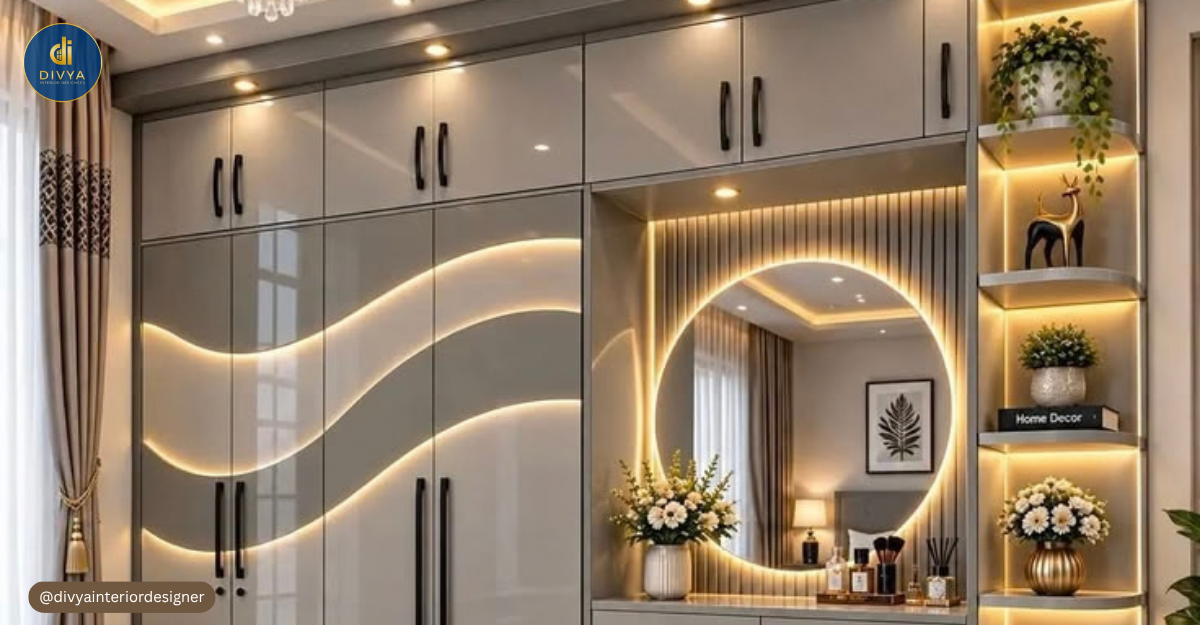
- Full-height wardrobes
- Loft cabinets
- Under-bed drawers
- Shoe cabinets
- Kitchen tall units
- Utility storage
- TV-unit drawers
- Study storage
- Hidden compartments
The aim is not to hide everything.
The aim is to make clutter easier to control.
Lighting Should Be Designed Early
Lighting can completely change how a room feels.
A practical lighting plan usually combines:
Ambient Lighting
This provides general illumination throughout the room.
Task Lighting
Used where specific activities happen, such as cooking, reading, studying or grooming.
Accent Lighting
Used to highlight artwork, shelves, textures, wall panels or architectural features.
Instead of putting one bright light in the centre of every room, layered lighting creates a much more comfortable atmosphere.
Best Interior Designers in Noida Extension: How to Select the Right Professional
Typing best interior designers in Noida Extension into Google gives you plenty of options.
The difficult part is deciding who is actually suitable for your project.
Do not make the decision based solely on photographs.
Study the Portfolio
A good portfolio should show variety.
Look for:
- Completed residential projects
- Different apartment sizes
- Different design styles
- Practical storage solutions
- Kitchen designs
- Bedroom designs
- Living rooms
- Before-and-after examples
Pay attention to whether the designer can work within different budgets.
A designer who only showcases ultra-luxury interiors may not be the best match for a value-focused apartment project.
Ask for a Detailed Quotation
Never compare designers only by the final price.
Ask what is included.
Your quotation may cover:
- Design consultation
- Layout planning
- 3D visualisation
- Modular kitchen
- Wardrobes
- Electrical work
- False ceiling
- Painting
- Furniture
- Lighting
- Installation
- Project supervision
A ₹6 lakh quotation and another ₹6 lakh quotation can represent completely different scopes.
The details matter.
Understand Material Specifications
Words such as “premium,” “high quality” and “best material” sound impressive but are not specifications.
Ask about:
- Board type
- Thickness
- Laminate
- Veneer
- Hardware
- Hinges
- Drawer channels
- Glass
- Paint
- Countertop
- Edge finishing
You should know what you are paying for.
Ask Who Manages Execution
Design drawings are only part of the project.
Someone has to make those drawings real.
Ask:
Who coordinates the workers?
Who checks measurements?
Who supervises installation?
How are changes documented?
What happens if there is a delay?
Clear answers at the beginning can prevent uncomfortable conversations later.
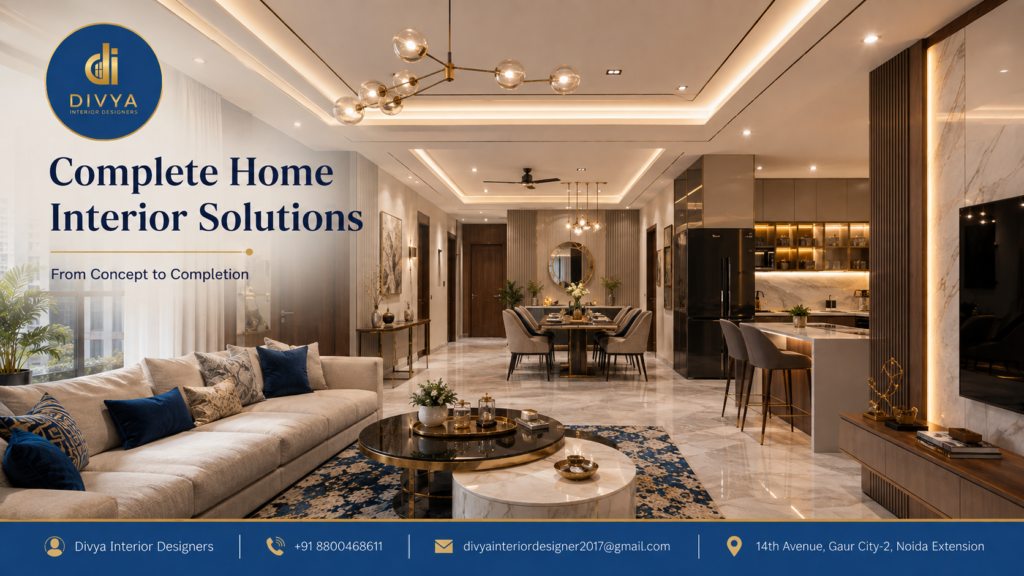
Best Interior Designing Service in Noida Extension: What Should You Expect?
The best interior designing service in Noida Extension should combine design creativity with practical execution.
A complete home project can involve several important areas.
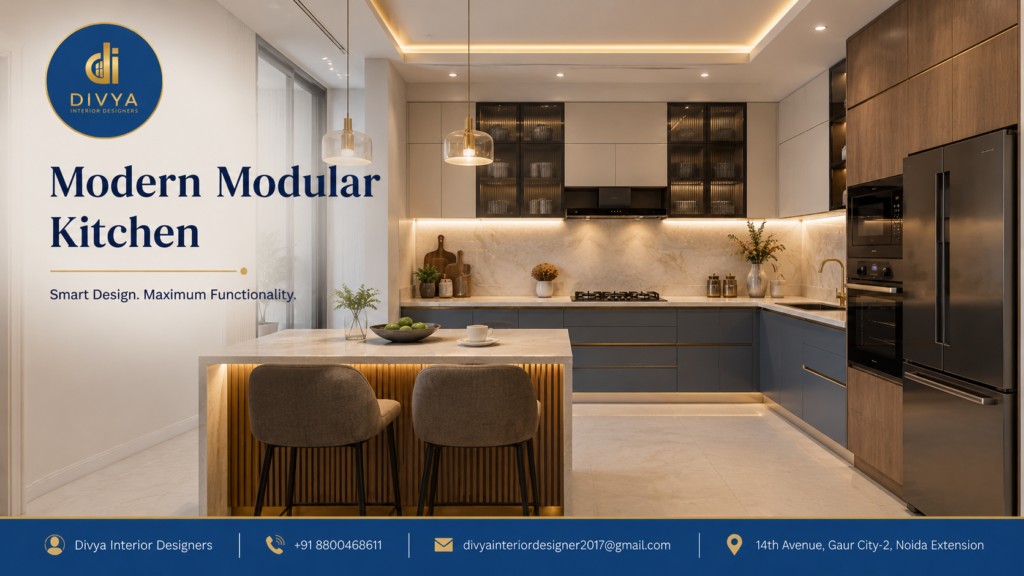
Modular Kitchen Planning
The kitchen is one of the hardest-working spaces in a home.
A good kitchen plan considers:
- Cooking habits
- Counter space
- Storage
- Appliances
- Drawer sizes
- Pantry requirements
- Cleaning
- Lighting
- Ventilation
The popular work-triangle concept can help organise movement between the cooking, washing and storage zones.
But the best layout depends on the actual kitchen shape and the homeowner’s routine.
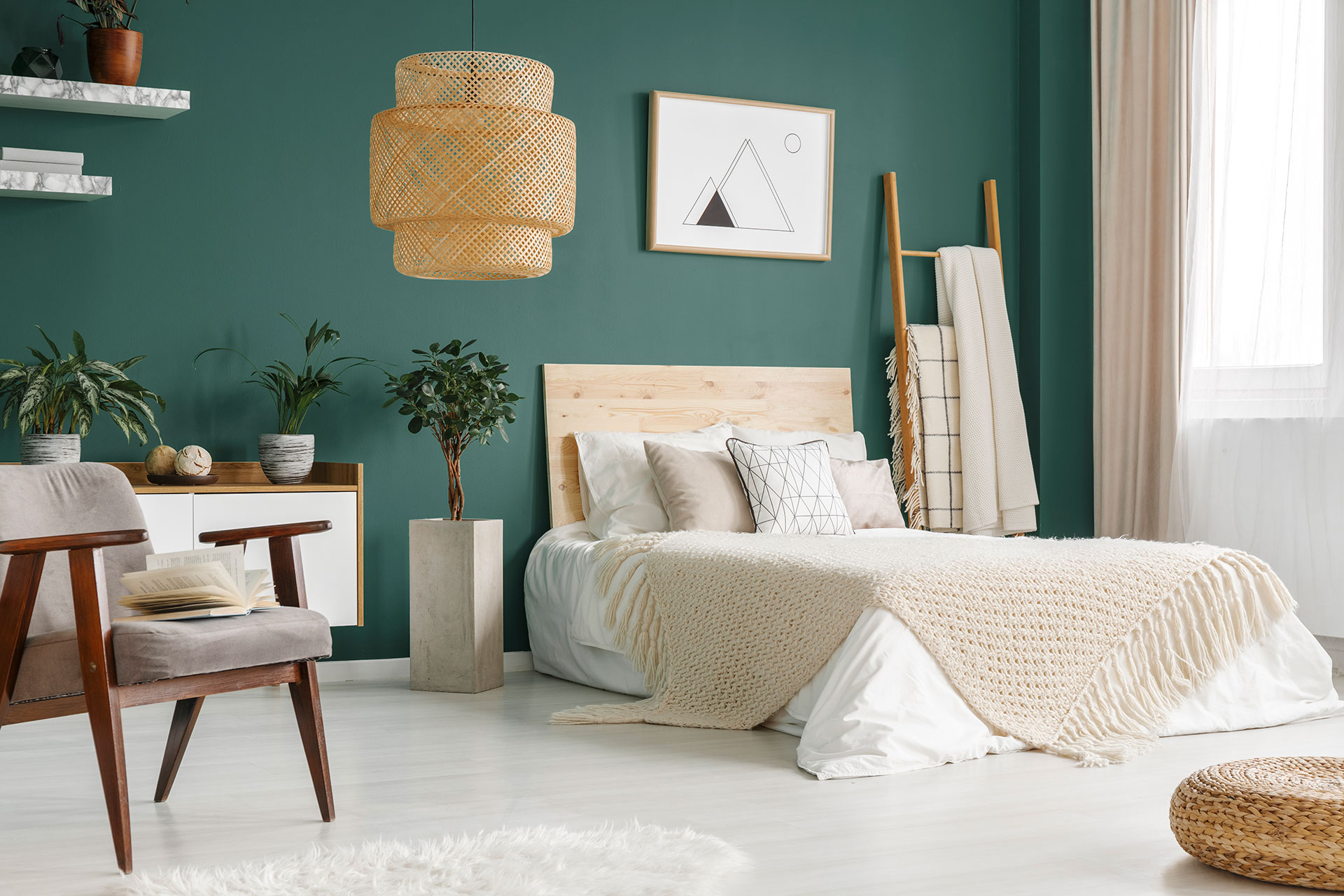
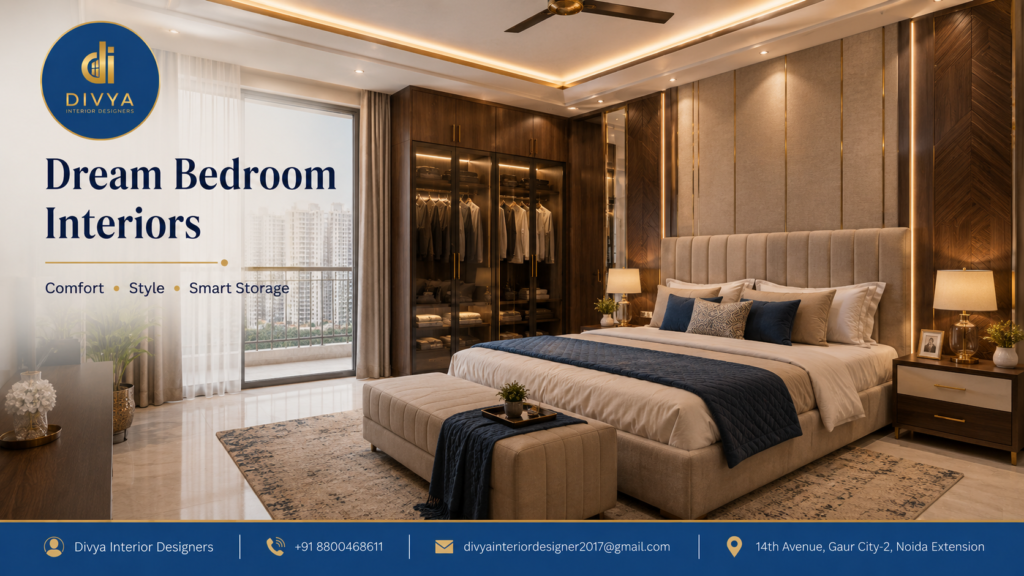
Bedroom Interior Design
Bedrooms should feel relaxing rather than overloaded.
Consider:
- Bed position
- Wardrobe location
- Dressing space
- Bedside tables
- Reading lights
- Curtains
- Colour palette
- Charging points
For homeowners specifically planning a bedroom, Bedroom Interior Design in Greater Noida West – Transform Your Space provides another useful room-specific resource.
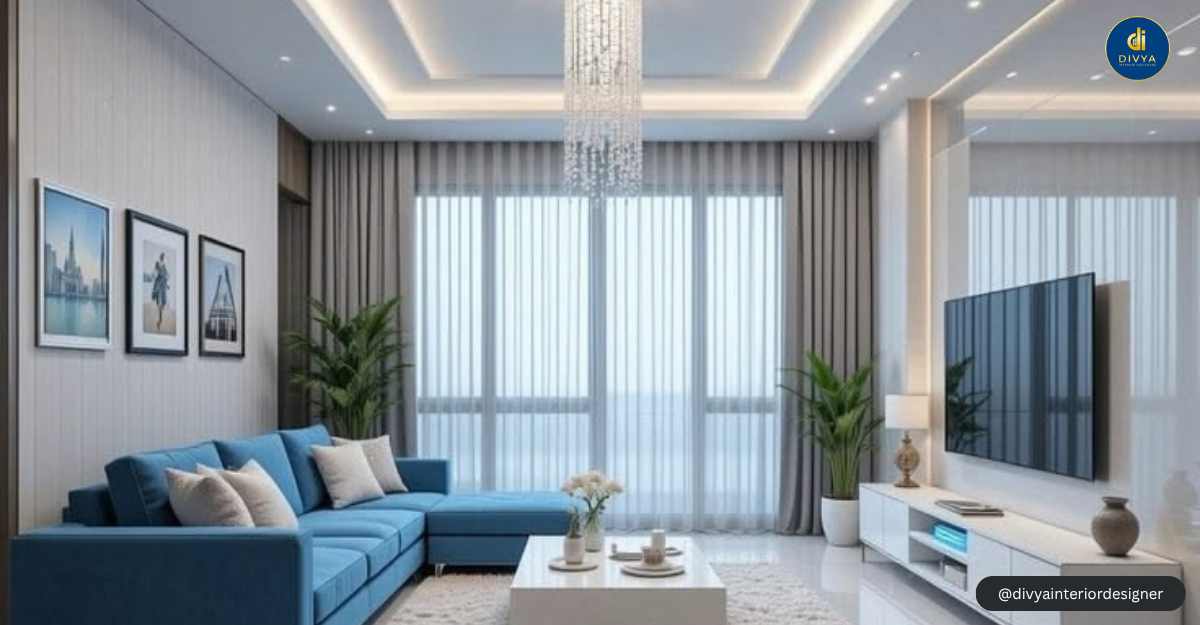
Living Room Planning
The living room often has multiple jobs.
It may be used for:
- Watching television
- Family conversations
- Hosting visitors
- Reading
- Working
- Children’s activities
Furniture placement should therefore allow comfortable movement rather than simply filling the room.
Wardrobe Design
A wardrobe should be designed around the person using it.
Different sections may be needed for:
- Everyday clothes
- Formal clothing
- Shoes
- Bags
- Accessories
- Linen
- Seasonal items
- Suitcases
Good internal organisation can make the same wardrobe significantly more useful.
Budget Interior Designer in Noida Extension: How to Control Costs
One of the biggest questions homeowners ask is:
“What will my interior cost?”
The honest answer is that the final amount depends on the project.
Important factors include:
- Property size
- Number of rooms
- Kitchen requirements
- Wardrobe quantity
- Material quality
- Hardware
- Custom furniture
- Civil changes
- Electrical work
- False ceiling
- Lighting
- Labour
- Project management
So, rather than believing a generic online price, create a project-specific estimate.
Divide Your Budget Into Priorities
A practical approach is to divide requirements into three groups.
Must Have
Things necessary for comfortable living.
Examples:
- Kitchen
- Wardrobes
- Essential lighting
- Electrical work
- Basic storage
Should Have
Useful upgrades that improve convenience.
Examples:
- Additional storage
- Study unit
- Decorative lighting
- Feature walls
Nice to Have
Items that can be added later.
Examples:
- Decorative accessories
- Artwork
- Premium styling pieces
- Non-essential furniture
This approach helps protect your budget.
Where Should You Spend More?
Spend more carefully on things that receive daily use.
For many homes, these include:
- Kitchen hardware
- Wardrobe mechanisms
- Storage systems
- Frequently used furniture
- Electrical planning
- Quality lighting
- Durable surfaces
Decorative elements can often be upgraded later.
A cushion does not need to consume the wardrobe budget.
Real-World Case Study: Making a Compact Home Work Harder
A useful example of practical Indian residential design comes from DesignCafe’s published interior case studies.
One featured project involved an 850 sq ft 2BHK designed for a couple and their school-going child, with a stated budget of ₹7–10 lakh. The project demonstrates how thoughtful planning can improve functionality without physically increasing the home’s area.
Background / Problem
The family needed several things within a relatively compact footprint:
- Comfortable living space
- Kitchen storage
- Wardrobes
- A study area
- Efficient use of available space
The challenge was not simply making the home attractive.
It was fitting everyday functions into limited square footage.
Strategy / Approach
The design focused on making underused areas useful.
The approach included:
- Full-height storage to maximise vertical space.
- Organised kitchen storage using specialised units.
- A pull-out study solution that avoided consuming permanent floor space.
- Additional storage integrated into the entertainment unit.
- Careful furniture placement to maintain circulation.
DesignCafe’s case studies demonstrate how different budget allocations and storage strategies can be adapted to Indian homes. (DesignCafe Interior Design Case Studies)
Results / Impact
The home remained 850 sq ft.
Its footprint did not magically expand.
But previously underused areas became functional.
Another project in the same published case-study collection involved a 1,350 sq ft 3BHK where reported design decisions, including avoiding certain false-ceiling work and selecting laminate rather than veneer in selected areas, helped save around ₹1.5–2 lakh that could instead be directed toward other priorities.
Lesson for Noida Extension Homeowners
The important takeaway is not that every 850 sq ft apartment should copy this design.
It is this:
Space optimisation can sometimes deliver more value than simply buying more expensive finishes.
Before spending more money, ask whether better planning can solve the problem.
Current Interior Design Trends Worth Considering
Interior trends change constantly.
But the most useful trends are those that improve everyday living.
Warm Minimalism
Minimalism is becoming less cold and more comfortable.
Popular combinations include:
- Warm wood tones
- Soft neutral colours
- Textured fabrics
- Simple furniture
- Concealed storage
- Natural-looking materials
The idea is to create visual calm without making the home feel empty.
Multifunctional Furniture
Apartment living often rewards furniture that performs more than one function.
Examples include:
- Storage beds
- Sofa beds
- Study desks with cabinets
- Window seats with drawers
- TV units with concealed storage
- Extendable dining tables
Every square foot has a job.
Sometimes one piece of furniture can do two jobs.
Personalised Interiors
The days of completely generic showroom-style interiors are fading.
Homeowners increasingly want spaces that reflect:
- Personality
- Hobbies
- Family life
- Travel memories
- Favourite colours
- Lifestyle requirements
Forbes’ interior design trend coverage has also highlighted the growing importance of individuality and more personal, authentic interiors. (Forbes)
Hyperlocal Interior Planning for Noida Extension
A designer working with homeowners in Noida Extension should understand the practical realities of apartment living.
Make Compact Rooms Feel Larger
You can improve the perception of space through:
- Correct furniture scale
- Vertical storage
- Light colours
- Mirrors
- Clean visual lines
- Concealed storage
- Appropriate lighting
But do not assume that painting every wall white is the solution.
Colour should support the overall design.
Choose Materials for Real Life
A home is not a showroom.
It has children.
Cooking.
Dust.
Guests.
Pets.
Spilled tea.
Unexpected visitors.
Material selection should therefore consider both appearance and maintenance.
Ask:
How easy is it to clean?
Will scratches be visible?
Can the finish be repaired?
Is replacement practical?
These questions are often more valuable than asking whether a finish is currently trending.
Consider Natural Light
Before selecting colours and finishes, observe how sunlight enters each room.
Check:
- Morning sunlight
- Afternoon heat
- Window direction
- Ventilation
- Curtain requirements
- Artificial lighting needs
Good design works with the apartment’s natural conditions rather than fighting them.
Interior Designer Selection Checklist
Before finalising an interior designer, save this checklist.
Portfolio
- Completed projects reviewed
- Similar apartment projects available
- Kitchen projects reviewed
- Bedroom projects reviewed
- Real photographs checked
Budget
- Budget range defined
- Itemised quotation received
- Material specifications understood
- Payment schedule clear
- Additional-cost policy understood
Execution
- Project manager identified
- Timeline discussed
- Site supervision confirmed
- Installation process explained
- Quality checks discussed
Documentation
- Scope of work written
- Materials documented
- Design revisions explained
- Warranty terms checked
- Handover process confirmed
Warning Signs You Should Not Ignore
Sometimes the easiest way to choose a good designer is to recognise bad signs early.
Be cautious when someone:
- Gives an unrealistically low quotation without explaining it
- Refuses to provide material specifications
- Avoids written agreements
- Cannot explain project timelines
- Shows only computer-generated designs
- Pressures you to make an immediate payment
- Frequently changes the quotation
- Cannot explain who supervises the site
A professional interior project should have clarity.
You should know what is being designed, what is being supplied, what it costs and who is responsible for execution.
People Also Ask About Interior Design in Noida Extension
What does an interior designer in Noida Extension actually provide?
An interior designer in Noida Extension can provide a combination of space planning, furniture planning, modular kitchens, wardrobes, lighting, colour selection, materials, false ceilings, storage solutions and project coordination. The exact service varies between designers, so homeowners should confirm the scope before signing a contract. For apartment interiors, professional planning can be particularly useful because several requirements have to fit within a fixed floor plan. A good designer considers how residents move through the home, where they need storage, how they use each room and what budget is available. The objective is to combine appearance, comfort, durability and functionality.
What is the cost of interior design in Noida Extension?
There is no single fixed price for interior design in Noida Extension because every property has different requirements. The final cost can depend on apartment size, number of rooms, kitchen specifications, wardrobe quantity, materials, hardware, furniture, lighting, electrical work, civil modifications and installation. A basic project may focus on essential functionality, while a premium project may include customised furniture and higher-end materials. Homeowners should therefore request an itemised quotation after discussing the complete scope. Instead of choosing the cheapest number, compare what each quotation actually includes. This provides a much clearer picture of the expected investment.
How can I find the best interior designers in Noida Extension?
To find the best interior designers in Noida Extension, start by reviewing completed residential projects rather than relying only on promotional images. Compare portfolios, materials, design approach, project scope, execution process and customer feedback. Ask whether the designer has experience with apartments similar to yours. You should also request a written quotation and clarify what is included or excluded. Discuss project timelines, revisions, site supervision, payment schedules and warranties before signing. A good designer should be comfortable answering detailed questions and explaining design decisions. The right choice is ultimately the designer who fits your requirements, expectations and budget—not simply the one with the most impressive showroom.
Is a budget interior designer in Noida Extension a good option?
A budget interior designer in Noida Extension can be a good option when the project is planned around priorities rather than unnecessary upgrades. Budget-conscious homeowners can focus first on essential areas such as kitchens, wardrobes, storage and lighting. Decorative elements can be added gradually. Choosing practical materials, avoiding unnecessary structural changes and finalising layouts before execution can also help control costs. However, budget should not mean accepting unclear specifications or poor workmanship. Always ask what materials, hardware, labour and installation are included in the quoted amount. A transparent budget with a clearly defined scope is much safer than an unusually cheap quote with many hidden extras.
What should I discuss during my first interior design consultation?
During the first consultation, discuss your apartment size, floor plan, family requirements, preferred style, storage needs, budget and expected timeline. Explain which problems you want the design to solve. For example, you may need a larger kitchen work area, additional wardrobe space, a home office or better lighting. Ask the designer about their process, materials, execution team, revisions, payment schedule and warranty. It is also useful to bring inspiration images, but treat them as references rather than exact instructions. The consultation should help both sides understand whether the project requirements, design expectations and budget are realistically aligned.
Useful Interactive Elements for This Page
A strong local SEO page can become even more useful when interactive features are added.
Interior Budget Calculator
A simple calculator could ask for:
- Apartment type
- Approximate area
- Number of wardrobes
- Kitchen requirements
- Material preference
- Civil work
- Furniture requirements
The output should be clearly labelled as an indicative planning estimate, not a final quotation.
Room Planning Checklist
An expandable checklist can cover:
Kitchen
Storage → Counter → Appliances → Lighting
Bedroom
Bed → Wardrobe → Dressing → Lighting
Living Room
Sofa → TV → Storage → Circulation
Interior Planning Flow
A simple text infographic can show:
REQUIREMENTS → MEASUREMENT → CONCEPT → 3D DESIGN → QUOTATION → MATERIAL FINALISATION → EXECUTION → QUALITY CHECK → HANDOVER
This gives homeowners a quick understanding of the complete process.
Expert Tips for a Smoother Interior Project
Finalise the Layout Before Ordering Furniture
Do not buy first and measure later.
Measure first.
Plan second.
Purchase third.
This simple order prevents many avoidable mistakes.
Decide Electrical Points Early
Your final electrical plan should consider:
- TV
- Refrigerator
- Microwave
- Washing machine
- Water purifier
- Bedside charging
- Work desk
- Kitchen appliances
- Decorative lighting
Changing electrical points after furniture installation can be inconvenient and expensive.
Keep a Contingency Amount
Even carefully planned projects can encounter unexpected expenses.
A contingency amount gives you breathing room when there are changes, repairs or upgrades.
Do Not Sacrifice Function for Trends
A trend may look great online.
But your home has to work every day.
Choose trends for easily replaceable elements and keep major installations practical.
Think Five Years Ahead
Ask yourself:
Will I still like this?
Will my storage needs change?
Will my family grow?
Will this material be easy to maintain?
Good interior design should not only look good on handover day.
It should continue working years later.
AI and the Future of Interior Design
Artificial intelligence is becoming another tool in the interior design process.
Design professionals can use AI-assisted systems for:
- Inspiration
- Concept development
- Mood boards
- Style exploration
- Visual references
- Design variations
- Product discovery
However, AI-generated visuals cannot replace physical site knowledge.
An image generator does not automatically know:
- The actual wall measurement
- Plumbing position
- Electrical load
- Door clearance
- Appliance dimensions
- Material availability
- Installation limitations
That is why technology works best when combined with professional experience.
The future of interior design is not necessarily AI versus designers.
It is more likely to be designers using better technology.
Why Smart Planning Beats Simply Spending More
A high interior budget does not automatically create a great home.
Consider two apartments.
Apartment A has expensive finishes but poor storage, oversized furniture and uncomfortable circulation.
Apartment B uses moderate materials but has excellent lighting, carefully planned storage, balanced furniture and a functional kitchen.
Which one would you rather live in?
Most people eventually choose Apartment B.
Because luxury is not only about price.
It is about comfort, proportion, convenience and thoughtful details.
That is the real value of professional interior design.
Conclusion: Design a Home That Fits Your Life
Choosing an interior designer in Noida Extension is an important decision because your home is not simply another project.
It is where mornings begin.
It is where guests arrive.
It is where children study.
It is where meals are prepared.
It is where you eventually take off your shoes, close the door and relax.
So, before choosing a designer, look beyond attractive photographs.
Check the portfolio.
Understand the materials.
Compare the scope.
Set your priorities.
Ask about execution.
Discuss the budget honestly.
Most importantly, choose a design based on the way you actually live.
If you are searching for best interior designers in Noida Extension, exploring interior design in Noida Extension, or looking for a budget interior designer in Noida Extension, a professional consultation can help you understand what is realistically possible for your space.
For homeowners planning their next interior project, Divya Interior Designer can be contacted at:
📞 +91 8800468611
🌐 divyainteriordesigner.com
Your dream home does not need to copy someone else’s Pinterest board.
It needs to tell your story.
So start with the space you have, the lifestyle you live and the budget you can comfortably manage.
Then turn those three things into a home that feels beautiful, practical and unmistakably yours.
Ready to transform your Noida Extension home? Contact Divya Interior Designer at +91 8800468611 and start planning your space today.