
Quick Overview
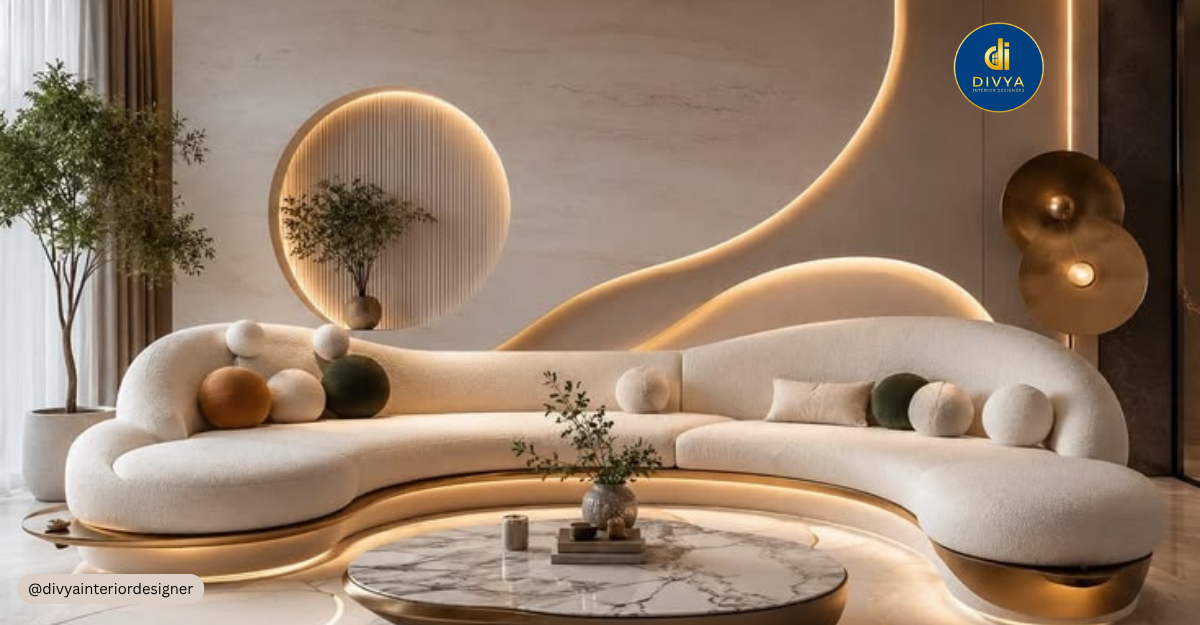
Living room interior design is about creating a space that looks beautiful, feels comfortable, and works for everyday life. From choosing the right sofa and lighting to planning wall decor for living room spaces, small decisions can make a big difference. This guide explores practical design ideas, budget considerations, 3D room design, common mistakes, and expert tips to help you create a welcoming living room that reflects your personality without wasting space or money.
Introduction: Make Your Living Room Feel Like Home 🏡
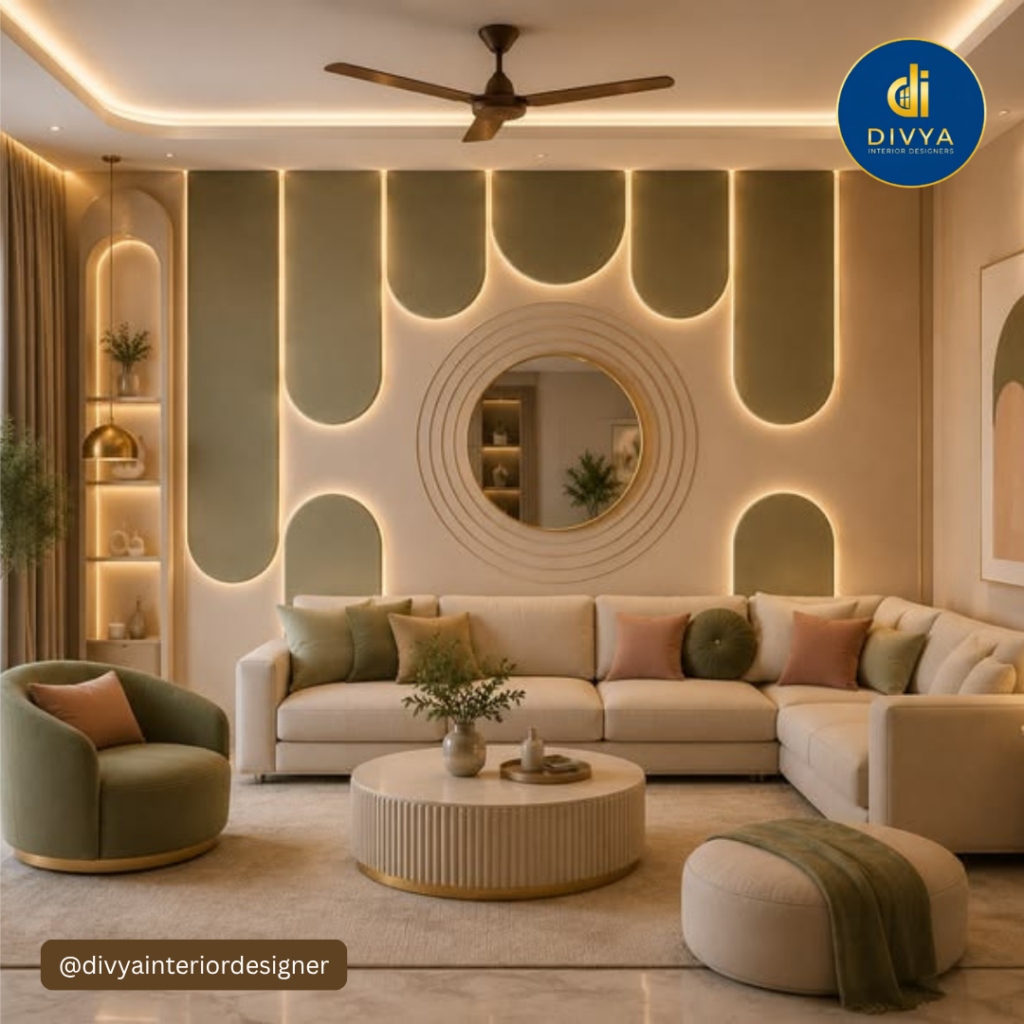
Living room interior design can turn an ordinary room into the most welcoming part of your home. Think about it: this is where you relax after a long day, welcome guests, spend time with family, and sometimes enjoy your favourite series for hours. Shouldn’t the room feel as good as it looks?
Yet designing a living room isn’t always straightforward. One sofa looks perfect online but overwhelms the room. A trendy wall colour feels too dark in natural light. Decorative pieces begin to compete for attention, and suddenly the space feels crowded rather than cosy.
The good news? You don’t need an unlimited budget or a celebrity-sized house to create an impressive living room.
Here is what you will learn in this guide:
- Smart layouts: Arrange furniture to improve movement, comfort, and usable space.
- Creative wall decor for living room spaces: Give plain walls personality without making them look cluttered.
- Practical living room décor: Balance colours, textures, lighting, and accessories.
- 3D room design: Understand how a proposed layout may look before committing to major purchases.
- Budget planning: Prioritise the changes that make the biggest difference.
- Professional guidance: Learn when working with an interior designer can save time and prevent expensive mistakes.
At Divya Interior Designer, we believe a thoughtfully designed home should reflect the people who live in it. Visit Divya Interior Designer to explore interior design services and ideas for your home.
If you’re refreshing more than one room, our guide to Bedroom Interior Design Ideas: Stylish and Practical Inspiration can also help you create a consistent look throughout your home.
Let’s make your living room a place where style and everyday comfort finally get along.
1. Living Room Interior Design Ideas That Balance Style and Comfort
A successful living room design starts with understanding how you use the space. A family that enjoys movie nights needs a different arrangement from someone who regularly entertains guests. Your design should support your lifestyle instead of forcing you to work around the furniture.
Choose a Layout Before Buying Furniture
Measure the room, including doorways, windows, electrical points, and passages. Then identify the main activity area.
For a compact apartment, a two- or three-seater sofa, a slim coffee table, and wall-mounted storage may be sufficient. In a larger room, you can introduce an accent chair or a separate reading corner.
Keep walking paths clear and avoid placing furniture where it blocks doors or windows. The aim is to make the room feel open without leaving it looking unfinished.
Practical tip: Mark the proposed furniture dimensions on the floor with removable tape before purchasing anything. This simple exercise can help you spot awkward clearances early.
Select Colours That Work Together
Colour affects the atmosphere of a room. Warm whites, beige, soft greys, and earthy tones can create a calm foundation, while green, blue, terracotta, or mustard accents add personality.
You do not have to paint every wall a bold colour to make a statement. Try a neutral base with colourful cushions, curtains, artwork, or a single accent wall.
Consider the amount of daylight your room receives. A colour that looks bright in a showroom may appear different under warm evening lights.
Match Materials to Everyday Life
A beautiful room must also be practical. Families with children or pets may prefer easy-to-clean fabrics, rounded furniture corners, washable cushion covers, and durable flooring.
Wood introduces warmth, glass can create a lighter visual effect, and metal details can add a contemporary touch. Combining different textures often makes a neutral room feel more interesting than using the same finish everywhere.
The best living room interior design is not simply photogenic. It should remain comfortable and functional after months of real-life use.
2. Wall Decor for Living Room Spaces That Deserve Attention 🎨
Walls are often the largest uninterrupted surfaces in a living room, which makes them valuable opportunities for personal expression. However, decorating every available inch is rarely necessary.
Create a Focal Wall
A focal wall gives the eye a natural place to rest. You could use a textured finish, carefully arranged artwork, decorative panels, a subtle wallpaper pattern, or a television wall with integrated storage.
Choose one main feature and let the surrounding elements support it. For example, a wood-finish panel behind the television may work beautifully with neutral walls, simple shelving, and soft lighting.
Before installing heavy artwork or wall-mounted furniture, check the wall construction and use suitable fixings.
Use Artwork, Mirrors, and Shelves Thoughtfully
Artwork can introduce colour and character without requiring structural changes. Select pieces that complement the room’s palette rather than matching every accessory exactly.
Mirrors can help reflect available daylight and create a sense of visual openness. Position them carefully so they reflect something pleasant, such as a window or an attractive feature.
Floating shelves are useful for displaying books, small plants, photographs, and keepsakes. Leave some empty space between objects; a shelf does not need to look like a packed storage cupboard.
A simple wall styling formula:
- One primary feature, such as a large artwork or decorative panel.
- One or two supporting elements, such as smaller frames or wall lights.
- A restrained colour palette.
- Enough blank space to prevent visual clutter.
Make the TV Wall Both Attractive and Functional
The television wall often becomes the visual centre of a modern living room. A clean installation with concealed cable management, suitable storage, and comfortable viewing distance can improve both appearance and usability.
Avoid adding too many decorative strips, shelves, spotlights, and contrasting materials to a small wall. A simpler composition can look more refined and is often easier to maintain.
3. Living Room Décor: Lighting, Furniture, and Finishing Touches
The right furniture establishes the layout, but lighting and accessories give the room its atmosphere. Good living room décor combines these elements without making maintenance difficult.
Layer Your Lighting
Instead of depending on a single ceiling light, consider three lighting functions:
- Ambient lighting: Provides general illumination throughout the room.
- Task lighting: Supports activities such as reading or working.
- Accent lighting: Highlights artwork, shelving, or architectural details.
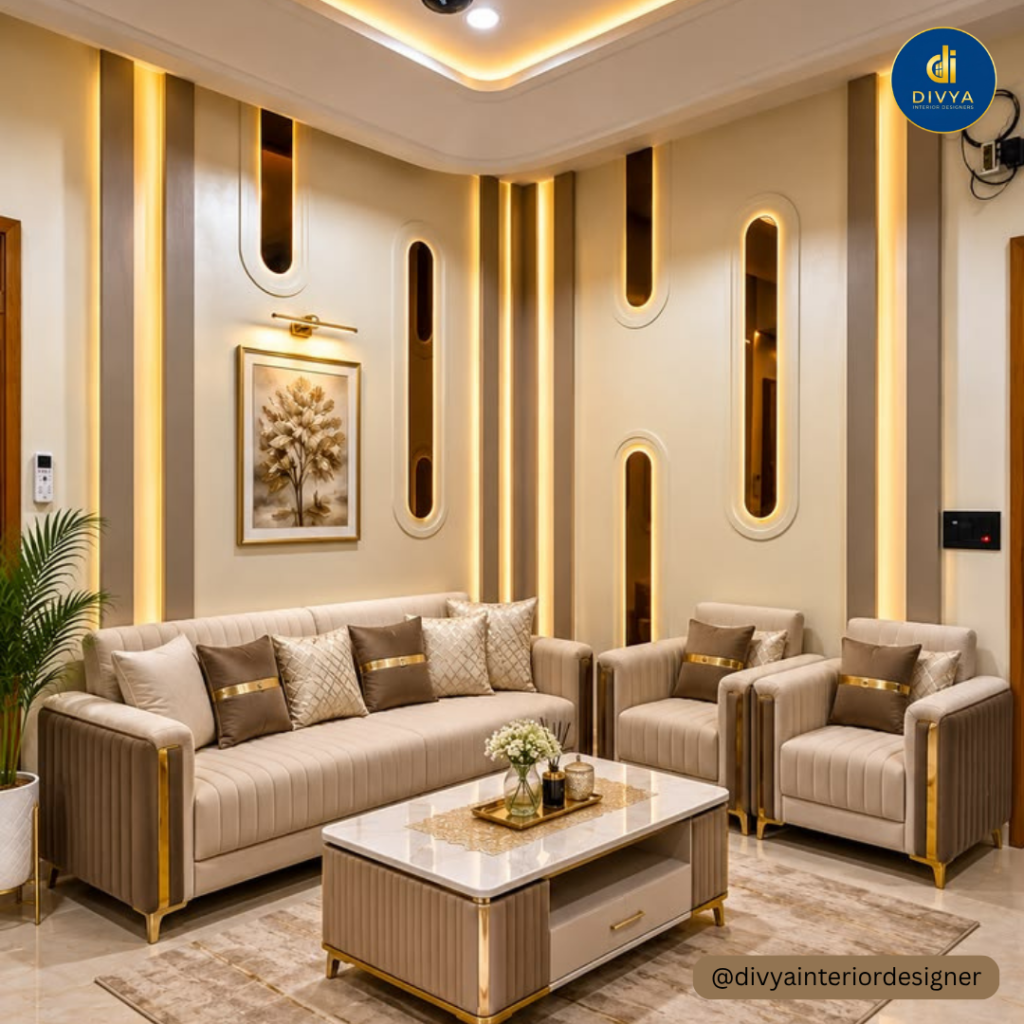
A ceiling fixture combined with a floor lamp and subtle accent lighting can create a flexible environment. Warm-toned lighting often feels relaxing in the evening, while brighter, more neutral light can help with activities that require visibility.
Use efficient LED fixtures where suitable, and plan switches and electrical points before finishing the walls.
Add Soft Furnishings for Comfort
Curtains, cushions, rugs, and throws can make a room feel finished without a complete renovation.
For a balanced appearance, repeat a few colours across different items. For example, a green cushion might connect visually with a plant or a small artwork.
Choose rug dimensions according to the furniture arrangement. A very small rug floating in the centre can make a seating area feel disconnected, while a suitably sized rug helps define the zone.
Curtains should also suit the window dimensions and the amount of light and privacy you need. Measure carefully before ordering custom-made panels.
Bring Nature Into the Room
Indoor plants can add colour and soften hard architectural lines. Choose varieties that suit your room’s available daylight and your willingness to care for them.
If natural plants are impractical, botanical artwork or good-quality artificial greenery can provide a similar decorative effect.
Remember that accessories should enhance the room, not compete with it. A few meaningful objects usually tell a better story than dozens of unrelated decorations.
4. How 3D Room Design Helps You Plan Before You Spend
Have you ever purchased furniture only to discover that it looks completely different in your room? This is where 3D room design can be useful.
A 3D visualisation presents a proposed room layout in a more realistic form than a basic sketch. Depending on the software and project, it may show furniture placement, colours, lighting effects, materials, and storage arrangements.
What Can You Check in a 3D Design?
Before approving a design, review the following:
- Furniture proportions: Does the sofa fit comfortably without blocking movement?
- Colour combinations: Do the walls, flooring, curtains, and furniture complement one another?
- Storage requirements: Is there enough space for everyday items?
- Lighting placement: Are important areas adequately illuminated?
- Wall features: Will panels, artwork, or shelving overwhelm the available space?
A 3D view is especially helpful when several finishes or layouts are being considered. Comparing options before buying materials may reduce avoidable changes later.
Is 3D Design Always Accurate?
Not necessarily. The result depends on the quality of the measurements, selected materials, lighting settings, and rendering software. Screen colours can also differ from the actual finish.
Ask for accurate room measurements and confirm the specifications of important materials. Where possible, review physical samples in your own lighting conditions.
A visualisation is a planning aid, not a guarantee that the finished room will look identical. Structural conditions, installation details, and product availability can affect the final outcome.
When Should You Consider Professional Help?
Professional assistance can be valuable if your living room includes unusual dimensions, extensive built-in furniture, complex lighting, or a renovation involving electrical or structural changes.
You can explore Divya Interior Designer’s website to learn more about its interior design offering and decide whether professional guidance suits your project.
5. Living Room Interior Design Cost: What Should You Budget?
The cost of living room interior design depends on the room’s size, the quality of materials, furniture choices, storage requirements, labour, and the location of the project.
There is no single price that applies to every home. A small cosmetic refresh can cost much less than a room involving custom cabinetry, new flooring, extensive electrical work, and premium finishes.
Typical Budget Categories
The following table is a planning framework, not a verified market quotation. Actual costs vary by city, room size, specifications, and contractor.
| Design scope | What it may include | Main cost factors |
|---|---|---|
| Basic refresh | Paint, curtains, cushions, simple accessories | Finish quality and quantity |
| Furniture update | Sofa, coffee table, side tables, rug | Brand, material, dimensions |
| Decorative upgrade | Accent wall, lighting, artwork, wall panels | Design complexity and installation |
| Custom interior work | TV unit, built-in storage, bespoke furniture | Hardware, materials, labour |
| Full renovation | Multiple finishes, electrical changes, flooring, furniture | Project scope and site conditions |
How to Control Costs Without Losing Style
Start with a written list of essential requirements. Separate must-haves from decorative extras and reserve a contingency for unexpected expenses.
Request itemised quotations rather than comparing only the final total. Check whether the quote includes design fees, material brands, transport, installation, electrical work, taxes, and post-installation support.
You can also save by retaining usable furniture, refreshing existing pieces, and investing first in items that affect daily comfort.
A well-planned budget is not about choosing the cheapest option every time. It is about spending carefully on the features that matter most.
Should You Hire an Interior Designer?
An interior designer may help coordinate the layout, material choices, lighting, storage, and installation process. This can be particularly useful when several decisions need to work together.
Before hiring anyone, ask for a clear scope of work, payment milestones, estimated timeline, material specifications, revision policy, and details of what is excluded from the quotation.
For inspiration beyond the living room, you can also read Divya Interior Designer’s Home Interior Design Website, which provides a starting point for exploring interior design options for your home.
6. A Real-World Design Case Study: What a Small Living Room Teaches Us
Background and Problem
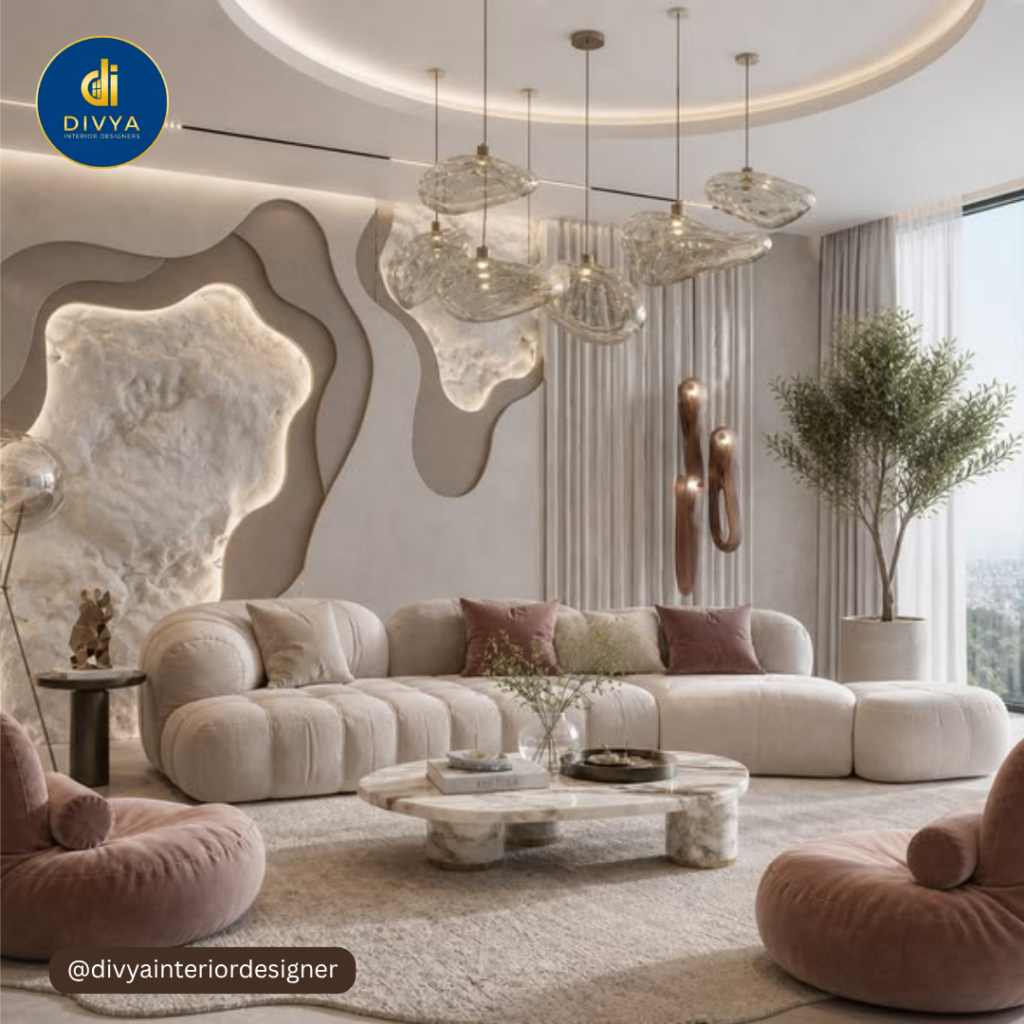
Imagine a compact urban apartment where the living room must support family conversations, television viewing, occasional guests, and everyday storage. The room feels crowded because a large coffee table interrupts movement, loose items accumulate on open surfaces, and the lighting depends on one central fixture.
The challenge is familiar: the household wants a more stylish living room without moving to a larger home or replacing every piece of furniture.
Strategy and Approach
A small-space furniture retailer such as IKEA provides a useful reference for thinking about modular furniture, multifunctional storage, and room planning. The following steps show how those ideas could be applied to this hypothetical room.
Step 1: Measure the room. Record wall lengths, door openings, windows, and electrical points before changing the layout.
Step 2: Simplify the seating arrangement. Replace an oversized centre table with a compact table or movable nesting tables. Maintain clear paths between the entrance, sofa, and adjoining rooms.
Step 3: Use vertical storage. Introduce appropriately sized wall shelves or a slim storage unit to organise books, remotes, and small accessories without taking up unnecessary floor space.
Step 4: Establish a restrained colour palette. Use light neutral walls as the foundation, then add a few coordinated accents through cushions, artwork, and curtains.
Step 5: Layer the lighting. Combine general ceiling lighting with a reading lamp and carefully positioned accent lights. This makes the room more adaptable for different activities.
Step 6: Review the plan visually. Use a floor plan or 3D room design tool to compare furniture arrangements before purchasing new items.
Results and Impact
No measured percentage improvement or financial return is claimed here because this example does not describe a documented, independently measured project.
The expected practical benefits are easier movement, more organised storage, a clearer visual focal point, and a room that can adapt to everyday activities. Keeping existing furniture where possible may also help control spending.
For a genuine project assessment, record the original and revised layout, the actual project cost, the number of storage units added, and feedback from the people using the room. These observations provide a more meaningful evaluation than an invented percentage increase in space or satisfaction.
Key Takeaway
The lesson is simple: good living room design begins with function, not decoration. Measure first, remove unnecessary obstacles, prioritise storage, and then choose colours and accessories. Even a modest room can feel more welcoming when every item has a purpose.
For additional ideas about organising a home, the IKEA website offers examples of furniture and small-space solutions. Treat product examples as inspiration and check dimensions and suitability before buying.
Expert Tips and Emerging Living Room Design Trends
Modern living room design increasingly focuses on flexibility, personal expression, practical storage, and more considered material choices. A trend is worth adopting only if it suits your home and your daily routine.
Prioritise Flexible Furniture
Movable side tables, nesting tables, lightweight accent chairs, and modular seating can make a room easier to adapt for guests or family activities.
Plan for Energy-Efficient Lighting
LED lighting can reduce electricity consumption compared with many older lighting technologies. Choose suitable brightness, colour temperature, and fixtures for each area rather than installing lights solely for decorative effect.
For broader information about efficient energy use, explore the U.S. Department of Energy’s lighting guidance.
Choose Materials With Maintenance in Mind
Consider durability, cleaning requirements, expected wear, and replacement costs when choosing flooring, upholstery, and decorative finishes. Materials that suit your household are often a better long-term investment than finishes selected only for appearance.
Make Personal Style the Priority
A room does not need to follow every social media trend. Family photographs, favourite books, meaningful artwork, and objects collected over time can make the space feel genuinely yours.
A useful rule is to choose one dominant style, two or three complementary colours, and a limited selection of accent materials. This creates consistency without making the room feel generic.
Frequently Asked Questions About Living Room Interior Design
1. How can I make a small living room look bigger?
A small living room can feel more spacious when furniture is proportionate, walkways are clear, and storage is organised. Start by measuring the room and removing items that block movement. Light wall colours can help create an airy appearance, while mirrors may reflect available daylight. Furniture with visible legs can make more of the floor visible, and wall-mounted storage can free up floor space. Avoid filling every corner with decoration. The goal is not to make the room appear empty, but to make its available space easier to use.
2. What is the best colour for living room interior design?
There is no single best colour for every living room. Warm white, beige, soft grey, and earthy neutrals are versatile starting points because they work with many furniture styles. Green, blue, terracotta, and mustard can introduce personality through accent walls or accessories. The right choice depends on natural light, flooring, room size, and the atmosphere you prefer. Test paint samples on the wall and observe them in daylight and evening lighting before deciding. This simple step can prevent a colour from looking unexpectedly dark, cool, or bright after the room is finished.
3. What is wall decor for living room spaces?
Wall decor for living room spaces includes artwork, photographs, mirrors, wall shelves, wallpaper, decorative panels, and other features that make walls visually interesting. The best option depends on the wall’s size, the furniture arrangement, and your preferred style. A large artwork can create a focal point, while a mirror may help reflect light. Shelves can display books and personal objects, but should not become overcrowded. For a television wall, combine decoration with practical cable management and storage. Choose a few coordinated elements rather than using every available wall surface.
4. Is 3D room design worth it?
3D room design can be worthwhile when you need to compare layouts, furniture dimensions, colours, or finishes before committing to a project. It helps translate measurements and design ideas into a visual representation that is easier to discuss with family members or a professional. This can reveal some problems before purchases or installation begin. However, the quality of the result depends on accurate measurements, realistic material selections, and the software used. Rendered colours may differ from physical samples, so confirm important finishes in person. For a simple room refresh, a measured floor plan may be enough.
5. How much does living room interior design cost in India?
Living room interior design costs in India vary according to the room’s dimensions, city, material quality, furniture, labour, and the amount of custom work required. Repainting and replacing soft furnishings generally involve a different budget from installing custom storage, new flooring, and a complete lighting system. Ask for an itemised quotation that separates design fees, furniture, materials, installation, electrical work, taxes, and exclusions. Compare the scope and quality of different quotations instead of choosing solely by price. A realistic budget should also include a contingency for unexpected site conditions or changes in product availability.
6. Which furniture is essential for a living room?
The essentials usually include comfortable seating, a suitable table or surface for everyday items, and enough storage to keep frequently used belongings organised. Depending on your needs, you may also want a television unit, side tables, a rug, or an accent chair. In a small room, multifunctional pieces can provide additional flexibility. Before buying, measure the furniture and check whether it leaves comfortable routes through the space. Think about how many people normally use the room, what activities take place there, and how much maintenance you can manage. Buy for your actual lifestyle, not just a showroom display.
7. How do I choose the right interior designer for my living room?
Start by reviewing the designer’s portfolio for projects similar to your room size, preferred style, and budget. Ask for a written scope of work, material specifications, estimated timeline, payment schedule, revision policy, and a clear list of exclusions. Find out whether the service includes 3D visualisation, sourcing, installation coordination, and post-project support. Request references or examples of completed work where available. Do not rely on attractive renderings alone; the designer should also understand practical requirements such as storage, lighting, movement, and maintenance. Clear communication before work begins helps establish realistic expectations.
8. How can I decorate my living room on a budget?
Begin with a simple layout improvement and a thorough decluttering session before buying anything new. Rearrange existing furniture, refresh cushion covers, update curtains, introduce one piece of artwork, or repaint a feature wall if necessary. Improve lighting with suitable lamps and energy-efficient bulbs, and use a few coordinated accessories to bring the room together. Keep useful furniture instead of replacing everything at once. Make a priority list and compare product dimensions, durability, and total installation costs. Small changes can create a noticeable difference when they address the room’s main problems rather than adding more objects.
Conclusion: Create a Living Room That Feels Like You ✨
Great living room interior design is not about filling your home with expensive furniture or copying every new trend. It is about understanding your space, choosing suitable materials, improving comfort, and making thoughtful decisions that support your daily life.
Start with the layout. Select furniture that fits. Use wall decor for living room spaces to introduce personality, choose lighting that supports different activities, and consider 3D room design when you need to compare options before investing.
Most importantly, plan your budget before beginning the project and prioritise the features that matter most to your household.
At Divya Interior Designer, we believe a well-designed living room should combine beauty, comfort, and practical value. Explore our website at https://divyainteriordesigner.com/ to learn more about our interior design services.
Ready to give your living room a fresh new look? Contact Divya Interior Designer through our official contact page to discuss your requirements and explore a design approach suited to your home, preferences, and budget.