
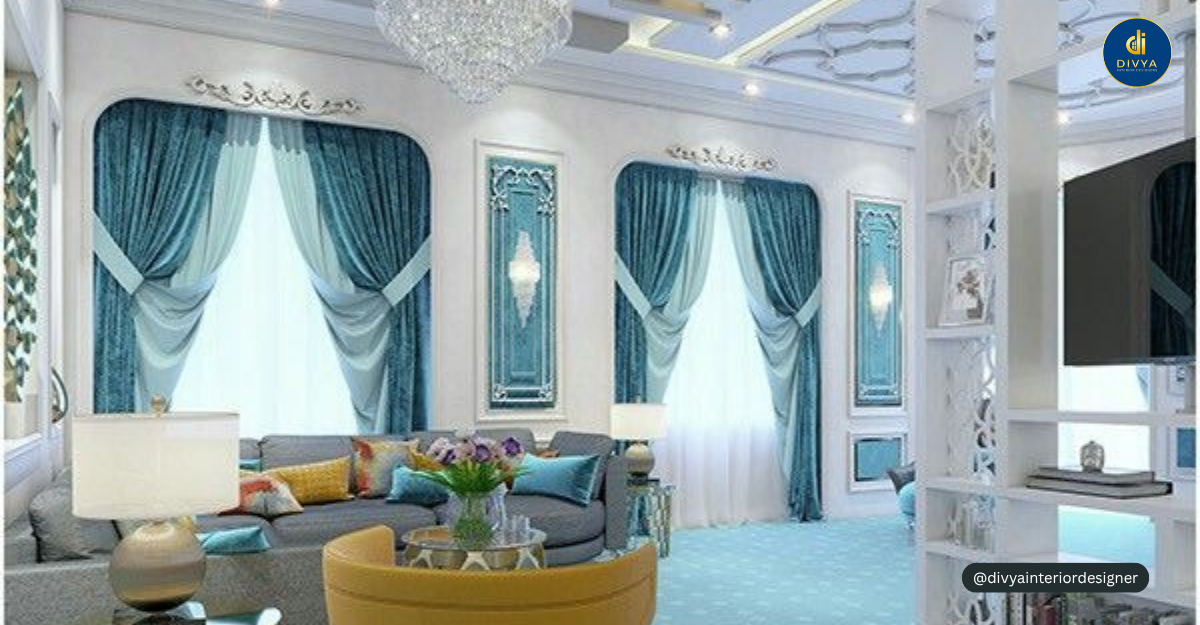
Quick Overview
Luxury hotel interior design is about creating more than an attractive building. It combines comfort, atmosphere, thoughtful layouts, premium materials, lighting and memorable details to make guests feel welcome. From impressive lobbies to relaxing suites, every space should reflect the hotel’s identity while supporting daily operations. This guide explores design ideas, material choices, estimated costs, current trends and practical planning tips to help hotel owners create distinctive, guest-friendly interiors.
Introduction: What Makes a Hotel Feel Truly Luxurious? ✨
Luxury hotel interior design begins with a simple question: how do you make guests feel special before they even reach their room?
Imagine entering a hotel after a long journey. The reception feels welcoming, the lighting is warm, the furniture invites you to sit down, and the room feels peaceful rather than crowded. Nothing appears random. Every detail works together to create an experience worth remembering.
That is the difference between decorating a hotel and designing one with purpose.
For hotel owners, developers and hospitality businesses, interior design is an important part of building a recognizable identity. An attractive property can encourage guests to explore, take photographs, recommend their stay and consider returning. However, beauty alone is not enough. A hotel also needs practical layouts, durable materials, easy maintenance and comfortable rooms.
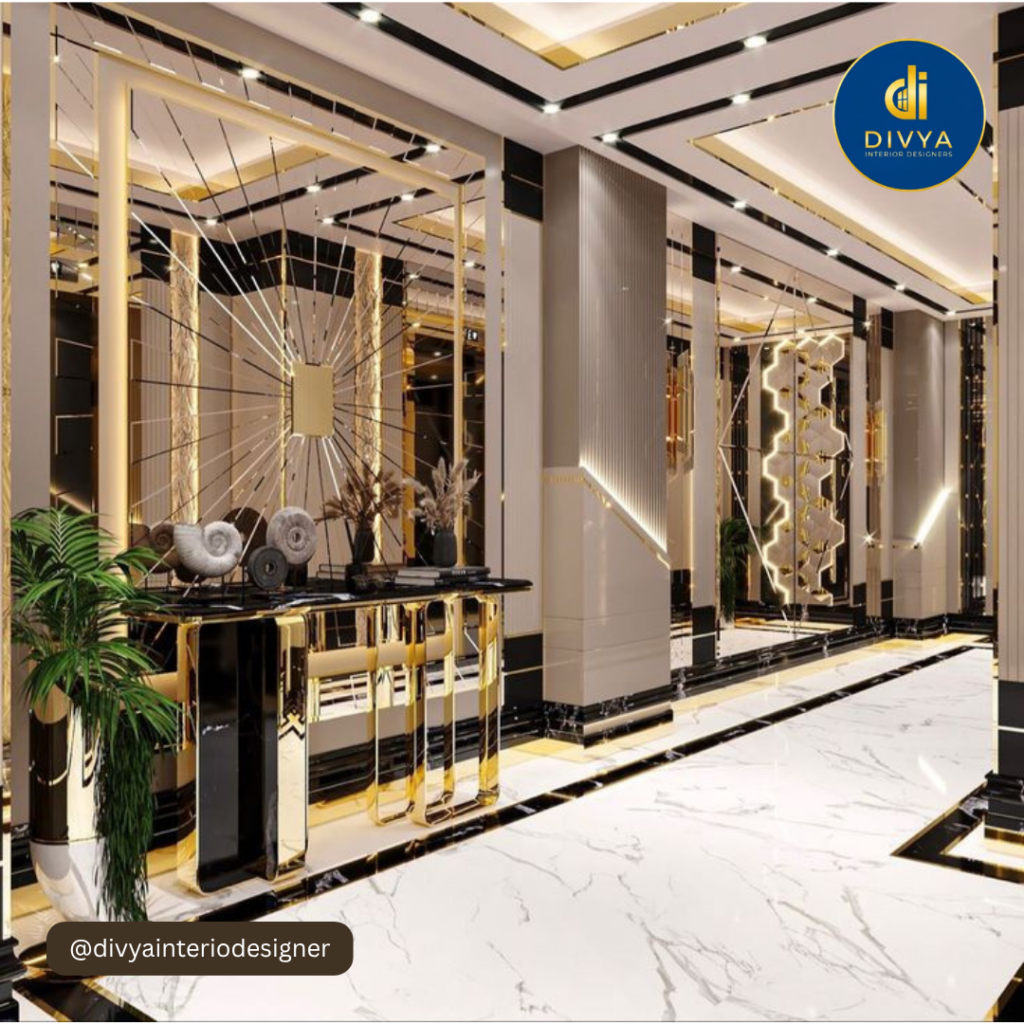
Here is what thoughtful hotel design should achieve:
- Create a memorable first impression: Make the entrance, reception and lobby reflect the hotel’s character.
- Improve guest comfort: Balance attractive furniture with comfortable seating, good lighting, privacy and quiet rooms.
- Strengthen brand identity: Use colours, textures, artwork and architectural details that tell a consistent story.
- Make everyday operations easier: Select finishes and layouts that housekeeping and maintenance teams can manage efficiently.
- Support long-term value: Invest in design elements that remain appealing instead of relying entirely on short-lived trends.
At Divya Interior Designer, the goal is to help property owners think beyond surface decoration and consider how each space looks, feels and functions.
If you are exploring ideas for a commercial property, our guide to Interior Design Shops Near Me: How to Choose can also help you understand what to consider when evaluating design options.
Let’s explore how to plan hotel interiors that combine sophistication with genuine hospitality.
1. Essential Elements of 5 Star Hotel Interior Design
A five-star experience is not created by placing expensive furniture in every corner. It comes from consistency, quality, comfort and attention to detail.
The lobby, corridors, restaurant, guest rooms and suites should feel connected, even when each space serves a different purpose.
Lobby design that makes a lasting first impression
The lobby introduces guests to the hotel’s personality. A grand chandelier might suit a traditional luxury property, while sculptural lighting and understated furniture may work better for a contemporary boutique hotel.
Start by understanding the available space and expected guest movement. Reception desks should be easy to locate, seating should not obstruct circulation, and luggage should have room to move without creating congestion.
Consider these design elements:
- A distinctive reception desk using stone, timber or another suitable material.
- Layered lighting that highlights architectural features without creating glare.
- Comfortable lounge seating arranged for individuals, couples and small groups.
- Artwork or decorative details inspired by the hotel’s location.
- A clear route between the entrance, reception, lifts and other facilities.
The objective is to create a welcome that feels effortless rather than overwhelming.
Colour palettes and materials that communicate quality
Colour influences the mood of an interior. Warm neutrals can create a calm atmosphere, while deep greens, navy, burgundy or muted metallic accents can add character when used carefully.
Natural stone, timber finishes, textured fabrics and carefully selected metal details can create visual depth. However, material selection should also account for cleaning requirements, durability, moisture and expected foot traffic.
For example, a beautiful fabric may work well in a private suite but may be unsuitable for a busy public seating area unless it meets the property’s performance and maintenance requirements.
Design tip: Choose a small group of core finishes and repeat them thoughtfully throughout the hotel. Consistency often looks more sophisticated than using a different statement material in every room.
Lighting that changes the entire atmosphere
Lighting can make the same room feel welcoming, dramatic or uncomfortable. A single bright ceiling fixture rarely provides the flexibility that hotel guests need.
A better approach combines several lighting layers:
- Ambient lighting: Provides general illumination.
- Task lighting: Supports reading, working, grooming and other activities.
- Accent lighting: Highlights artwork, textured walls, architectural features or decorative objects.
- Bedside lighting: Lets guests read or relax without illuminating the entire room.
Dimmers and independently controlled lights allow guests to adjust their surroundings. Warm, comfortable lighting in relaxation areas can complement brighter, more functional illumination around mirrors and work surfaces.
2. 5 Star Hotel Room Interior Design: Comfort Meets Elegance
A guest room is where the hotel’s promise must become a real experience. A spectacular lobby might attract attention, but the room is where guests spend time resting, preparing for the day and recovering from travel.
The best 5 star hotel room interior design makes everyday activities feel easy while maintaining a distinctive visual identity.
Plan the room around the guest’s routine
Begin with the essentials: a comfortable bed, accessible power outlets, convenient luggage storage, useful bedside surfaces, appropriate wardrobe space and a well-planned bathroom.
The layout should provide clear movement around furniture. Doors and drawers must open properly, and the room should not feel crowded simply because the designer wanted to include another decorative feature.
For business travellers, a functional desk and suitable lighting may be particularly valuable. Leisure travellers might appreciate a reading chair, a view-oriented seating area or additional storage for longer stays.
Families may need flexible furniture arrangements and more practical storage. The design should respond to the property’s actual guest profile instead of assuming that every traveller has identical needs.
Luxury hotel room interior design through textures and details
A luxurious room often feels special because its details work together.
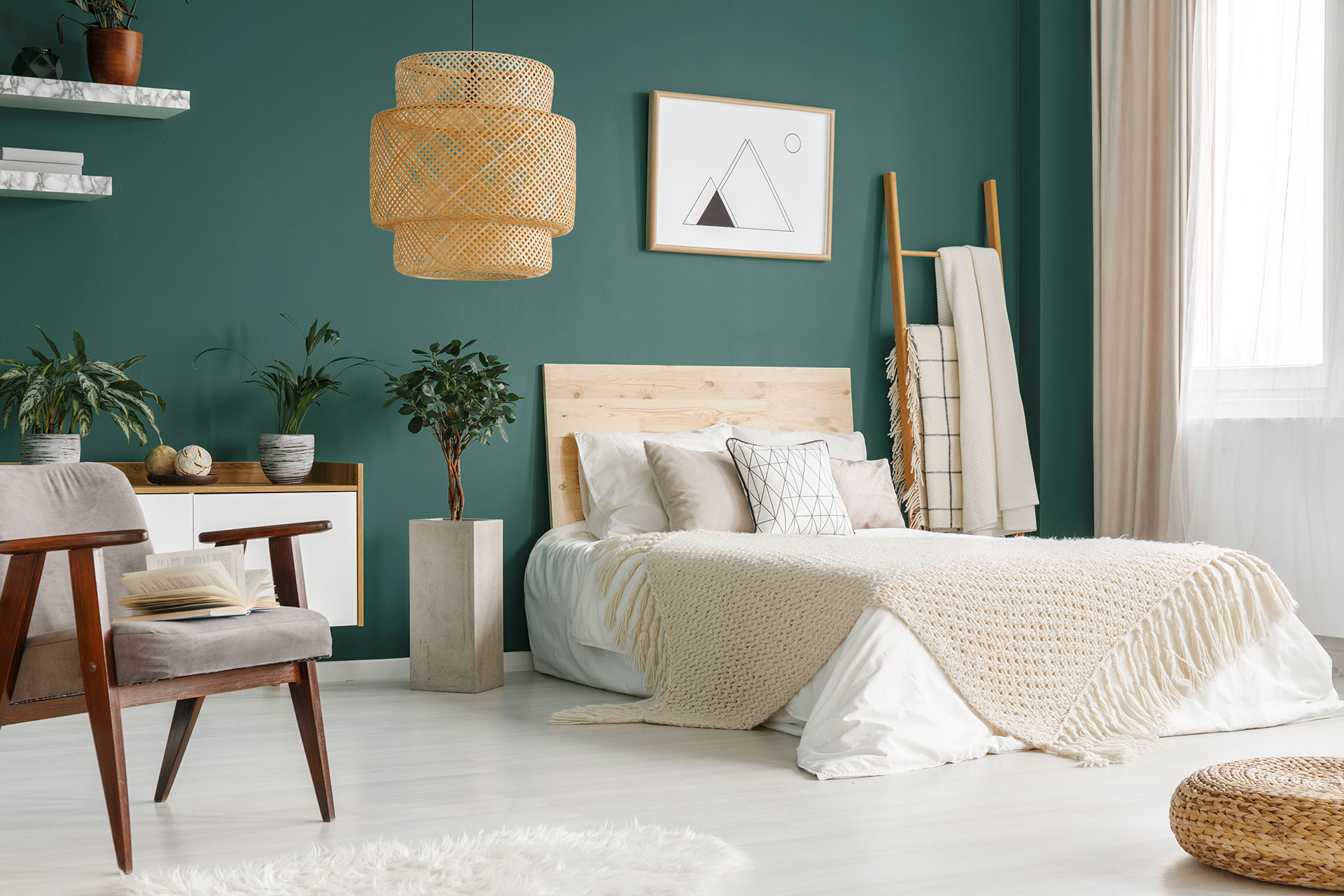
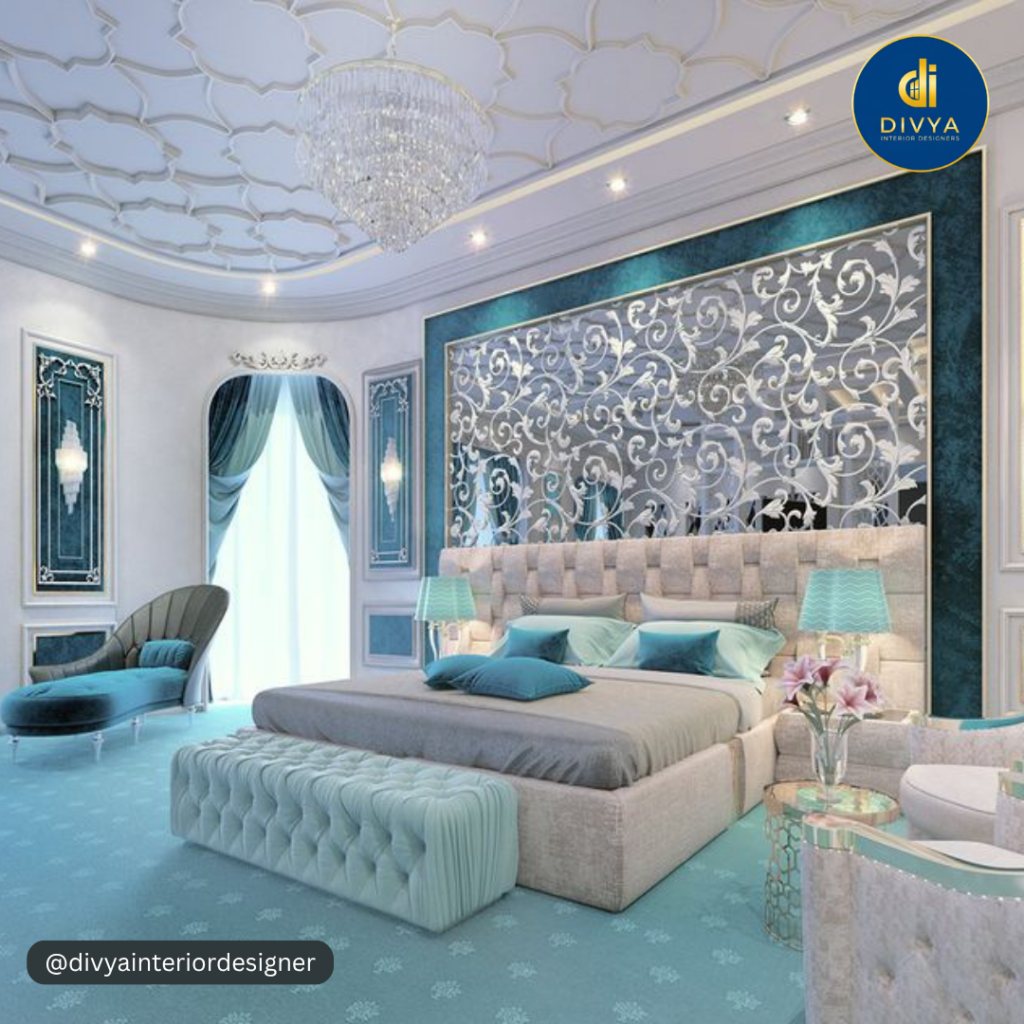
Think upholstered headboards, coordinated bedside tables, layered bedding, attractive curtains and carefully chosen artwork. Textured wall panels or a distinctive headboard can become the visual centre of the room without requiring every surface to compete for attention.
A practical combination might include:
- A restrained wall colour with a contrasting headboard.
- Layered curtains for privacy and light control.
- Bedside lighting with accessible switches.
- Durable flooring and easy-to-clean surfaces.
- A coordinated mirror, wardrobe and luggage area.
- Decorative accessories selected for the room’s theme.
The goal is not to fill the room with luxury objects. It is to create a comfortable environment where every important detail feels considered.
Bathroom design deserves equal attention
Bathrooms can influence how guests perceive the overall quality of their stay. Good lighting, effective ventilation, slip-resistant flooring, suitable storage and well-planned drainage are just as important as the finish of the vanity or shower fittings.
Stone-look surfaces, large mirrors and concealed storage can create a refined appearance. Yet the design must remain practical for cleaning, repairs and moisture control.
Where possible, discuss plumbing access, waterproofing, maintenance requirements and applicable safety standards with qualified professionals before finalising decorative finishes.
Remember: Luxury is not simply what guests see. It is also how comfortably and confidently they can use the space.
3. Luxury Hotel Interior Design Ideas for Restaurants, Lobbies and Suites
Hotels contain several different experiences under one roof. A guest may move from a quiet bedroom to a lively restaurant, a formal meeting room or a peaceful spa. Each environment needs its own purpose while remaining part of the same brand.
Restaurant and lounge interiors
Restaurant interiors should reflect the style of the food, the service model and the people expected to visit.
A fine-dining restaurant may benefit from intimate seating, carefully directed lighting and refined finishes. An all-day dining area may need flexible tables, easy circulation and durable upholstery.
Consider acoustic comfort, table spacing, lighting over dining surfaces and the relationship between the kitchen and service routes. Guests should be able to enjoy conversations without feeling that the room is too noisy or too exposed.
In lounges, combine comfortable seating with a clear arrangement of circulation paths. A few carefully placed statement pieces can create a memorable setting without making the space difficult to navigate.
Suites and premium accommodation
Suites offer opportunities to create a more residential atmosphere. Separate sleeping, working and relaxation areas can make longer stays more comfortable when space allows.
Use consistent materials but introduce subtle distinctions through artwork, lighting, textiles or furniture. A premium suite should feel like a natural extension of the hotel’s design language rather than an unrelated room with more expensive objects.
Privacy, acoustic separation, storage and lighting controls deserve particular attention.
Bring local character into the design
A hotel should feel connected to its destination. Locally inspired artwork, regional craft traditions, distinctive stone, timber details or culturally relevant patterns can help tell that story.
The important word is inspired. Avoid treating cultural elements as generic decoration. Work with knowledgeable local artisans where appropriate, respect the meaning of traditional motifs and select materials suited to the property’s climate and maintenance requirements.
Hospitality design discussions for 2026 increasingly emphasise authentic local identity, wellness and emotionally engaging environments. These ideas are explored in Hospitality Net’s coverage of luxury hospitality design trends.
Make sustainability part of the design brief
Energy-efficient lighting, durable materials, responsible sourcing and efficient building systems can support a hotel’s long-term operating goals.
The US Environmental Protection Agency’s ENERGY STAR guidance for lodging businesses explains how lighting improvements, occupancy-based controls and more efficient equipment can help reduce energy use.
Although these recommendations come from the US hospitality sector, the underlying planning principles can inform projects elsewhere. Local climate, electricity costs, building codes and available products should determine the final choices.
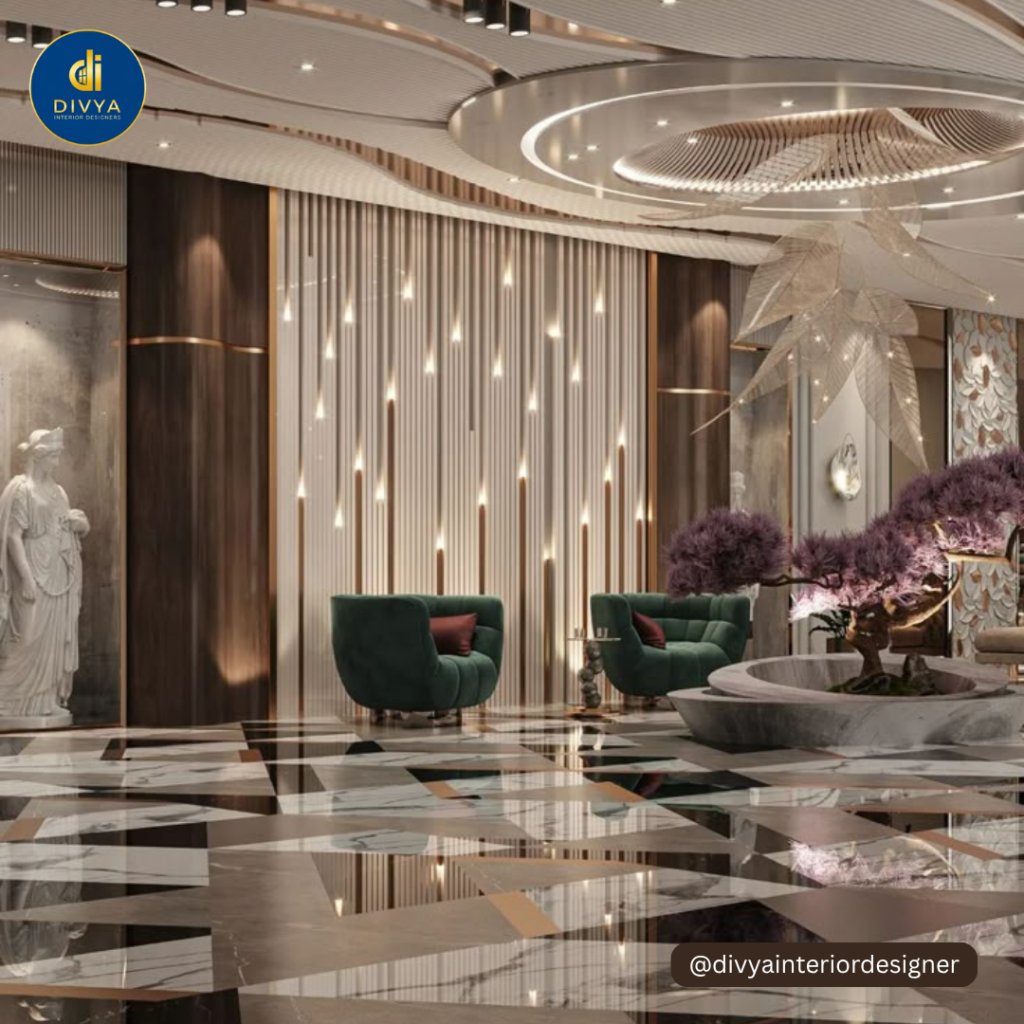
4. Luxury Hotel Interior Design Cost: What Should Owners Budget?
There is no single price for luxury hotel interior design. The total depends on the hotel’s location, floor area, existing condition, design ambition, material specifications and scope of work.
A cosmetic refresh of a functioning hotel is very different from fitting out a newly constructed property or renovating an older building with outdated electrical and plumbing systems.
Main factors that influence project costs
| Cost factor | What can affect the budget |
|---|---|
| Design and planning | Drawings, consultations, specifications and coordination |
| Civil and finishing work | Surface preparation, flooring, ceilings and wall finishes |
| Furniture and furnishings | Beds, seating, tables, wardrobes, curtains and decorative items |
| Lighting and electrical work | Fixtures, wiring, controls and installation |
| Bathrooms | Sanitary fittings, waterproofing, plumbing and surfaces |
| Custom features | Bespoke reception desks, joinery, artwork and feature walls |
| Mechanical systems | Heating, cooling, ventilation and related upgrades |
| Project execution | Labour, logistics, installation, supervision and site conditions |
How to estimate a realistic budget
Instead of relying on a generic online price, prepare a room-by-room schedule of quantities and specifications.
A useful starting formula is:
Estimated project budget = design fees + construction and finishing + furniture and equipment + installation + contingency
Ask suppliers to quote comparable specifications. Two quotations are not genuinely comparable if one includes installation and the other only covers materials.
It is also sensible to reserve a contingency based on the project’s risks and professional advice. Renovations involving older buildings may require more flexibility because hidden defects can emerge after work begins.
Planning an illustrative budget
Consider a hypothetical boutique hotel planning to refresh its lobby and ten guest rooms.
The owner could divide the project into separate packages: lobby finishes and furniture, guest-room upgrades, lighting and electrical work, bathroom improvements, and design or project coordination.
Each package should have its own specification, quantity, estimated cost and approval status. The owner can then compare alternatives without compromising essential safety, comfort or quality.
These are planning categories, not a quotation. Actual prices should be established through local site assessment and supplier estimates.
Where should you spend more, and where can you save?
Prioritise elements that guests use frequently or that are expensive to replace later. Comfortable mattresses, durable flooring, reliable bathroom fittings and suitable lighting generally deserve careful attention.
Decorative accessories, seasonal artwork and selected soft furnishings may offer more flexibility. They can often be updated without undertaking a major renovation.
Avoid choosing the cheapest option automatically. A lower purchase price can become a poor investment if the material wears out quickly, requires difficult maintenance or creates a disappointing guest experience.
For owners exploring professional support, Trusted Interior Design Services Near Me provides a relevant starting point for understanding interior design services and choosing a suitable provider.
5. How to Choose the Right Hotel Interior Designer
Hotel projects require coordination between aesthetics, functionality, construction requirements and operating needs. Selecting a designer should therefore involve more than comparing attractive portfolio photographs.
Review relevant experience and completed projects
Look for examples that demonstrate an understanding of commercial interiors, hospitality layouts, durable finishes and the needs of different guest groups.
Ask to see completed projects or detailed case studies. Discuss how the designer addressed space limitations, maintenance, accessibility, lighting and budget priorities.
If a firm has not completed a five-star hotel, do not assume that it has. Instead, evaluate its actual experience and whether it can demonstrate the skills and professional team needed for your particular project.
Ask about scope, deliverables and coordination
Before signing an agreement, clarify:
- Whether the service includes concept development, drawings and material specifications.
- Who coordinates with architects, contractors, engineers and suppliers.
- Whether furniture procurement and site supervision are included.
- How revisions, additional work and delays are handled.
- Which approvals and technical responsibilities belong to other professionals.
- How the budget is tracked and changes are documented.
Written agreements reduce confusion and help everyone understand what is included.
Check safety, accessibility and maintenance
Beautiful interiors must also work for guests with different mobility needs and for staff operating the property.
Discuss applicable fire-safety rules, emergency exits, accessible routes, bathroom requirements, ventilation and relevant local building regulations with qualified professionals. Requirements vary by jurisdiction and building type.
Maintenance should also be considered before purchasing materials. A finish that looks impressive in a showroom may not be appropriate for a high-traffic hotel corridor or a humid bathroom.
To discuss your project, visit Divya Interior Designer’s Contact Page. Share your property type, approximate area, location, preferred style and expected budget to help establish the next steps.
6. Real-World Case Study: Element Hotels and the Guest Experience
A useful example of design-led hospitality improvement comes from Element Hotels, a brand within Marriott International. Its design team worked with the brand to refresh the guest experience while keeping implementation costs under control.
This is a documented hospitality design and brand-refresh example, rather than a claim about a five-star luxury hotel. It illustrates why thoughtful planning matters across different hotel categories.
Background and challenge
Element Hotels wanted to strengthen the relationship between its physical spaces and its focus on wellness-oriented, extended-stay accommodation.
The challenge was not simply to make the interiors look newer. The hotel experience needed to better reflect what guests valued, while the design approach had to remain commercially practical.
A full redesign of every component without clear priorities could increase costs without delivering equal value in every area.
Strategy and approach
The project, documented by the architecture and design firm Little, focused on several connected priorities.
1. Reassess the guest journey. The team considered the experience across arrival, reception, food and beverage, shared spaces, guest rooms and fitness facilities.
2. Align the environment with the brand. Wellness-focused design and more useful shared spaces helped connect the physical experience with the property’s intended identity.
3. Direct investment towards meaningful improvements. Rather than treating every design element as equally important, the approach sought opportunities to improve guest-facing areas while controlling implementation costs.
4. Support different ways of staying. The Studio Commons concept incorporated shared cooking, dining, entertainment and work areas alongside private accommodation, supporting the needs of longer-stay guests.
Results and reported impact
According to Little’s published project summary, the brand refresh achieved a 14-point improvement in guest satisfaction metrics and a 15% reduction in prototype design cost per room.
These are reported outcomes for the specific Element Hotels project. They should not be interpreted as guaranteed results for other hotels or as proof that interior design alone produced every improvement.
What hotel owners can learn
The strongest lesson is that design decisions should connect to real operational and guest needs.
A hotel does not necessarily need the most expensive marble, the largest chandelier or a decorative feature in every room. It needs a clear identity, comfortable spaces and a well-planned guest journey.
For a luxury hotel, the same principle can be applied by investing in the entrance, bedroom comfort, lighting, privacy, bathroom functionality and distinctive local details before spending heavily on purely decorative extras.
The practical takeaway is simple: define the experience you want guests to remember, identify the spaces that influence that experience most, and allocate the budget accordingly.
7. Luxury Hotel Interior Design Trends to Watch in 2026
Hotel interiors continue to evolve as travellers look for comfort, individuality and experiences that feel connected to their destination.
Rather than following every new trend, hotel owners should select ideas that suit their brand, audience and operating model.
Quiet luxury and timeless materials
Understated luxury uses proportion, texture, craftsmanship and thoughtful detailing instead of relying on excessive decoration.
Neutral palettes, tactile fabrics, natural finishes and carefully selected statement pieces can create an elegant atmosphere. The aim is not to make every room look identical, but to build a consistent visual identity that can remain relevant for years.
Wellness-focused rooms
Wellness can be supported through comfortable mattresses, effective acoustic planning, adjustable lighting, good ventilation and access to daylight where practical.
These features can improve the everyday experience without requiring a large spa or expensive decorative installation. Their suitability should be assessed alongside the building’s technical systems and the needs of its guests.
Technology that feels effortless
Guests increasingly expect convenient controls, reliable connectivity and straightforward access to information.
Technology should simplify the stay rather than make it complicated. Clearly labelled switches, convenient charging points and intuitive room controls are often more useful than adding multiple systems that guests struggle to understand.
Local craftsmanship and thoughtful reuse
Custom artwork, locally made objects and selected restored furniture can add individuality. Reusing suitable pieces may also reduce waste and preserve character.
Check the condition, safety, cleaning requirements and durability of reused items before specifying them for commercial use.
The wider direction in hospitality design is increasingly about combining identity with comfort, rather than creating interiors that look impressive but feel impersonal.
Frequently Asked Questions About Luxury Hotel Interior Design
1. What is luxury hotel interior design?
Luxury hotel interior design is the planning and creation of hotel spaces that combine visual quality, comfort, functionality and a distinctive guest experience. It includes reception areas, guest rooms, suites, restaurants, lounges, corridors and other shared facilities. The process considers furniture, lighting, materials, colours, acoustics, circulation and maintenance. Good design also reflects the hotel’s identity and target audience. Rather than depending entirely on expensive finishes, a successful luxury interior uses thoughtful details and practical planning to make guests feel welcome, comfortable and confident throughout their stay.
2. What makes 5 star hotel interior design different?
5 star hotel interior design generally places strong emphasis on consistency, guest comfort, service requirements, quality finishes and attention to detail across the property. The entrance, reception, bedrooms, bathrooms and shared facilities should work together to create a coherent experience. Comfortable furniture, carefully planned lighting, effective acoustics and durable materials all contribute. However, star classifications depend on the applicable rating system and local requirements, not interior decoration alone. Hotel owners should check the relevant classification criteria before making design decisions intended to support a particular rating.
3. How much does luxury hotel interior design cost in India?
The cost varies according to location, property size, existing building conditions, material quality and the scope of renovation or fit-out work. Refreshing a lobby is very different from completing every guest room and bathroom in a new hotel. Design fees, furniture, electrical work, lighting, finishes, installation and site coordination should be estimated separately. Request a site assessment and itemised quotation based on drawings, quantities and specifications. A realistic budget should also account for unforeseen conditions, particularly in older buildings. Without these details, a single price per room or square foot could be misleading.
4. How can I make a hotel room look luxurious on a limited budget?
Start with the details that influence comfort and appearance most: lighting, bedding, curtains, furniture arrangement, colour coordination and clutter-free surfaces. A well-designed headboard, coordinated bedside tables and attractive but durable finishes can create a polished look without replacing everything. Improve storage and circulation so that guests can use the room easily. Retain existing items when they are in good condition and fit the new concept. Before spending on decorative accessories, check whether lighting, bathroom maintenance, mattress quality or damaged finishes need attention. A focused improvement plan is often more effective than purchasing many unrelated luxury products.
5. Which materials work best for a luxury hotel room interior?
Suitable materials depend on the room’s design, climate, maintenance schedule and level of use. Natural stone, quality timber finishes, textured fabrics, durable flooring and carefully selected metal details can all contribute to an elegant appearance. However, materials should be evaluated for cleaning, moisture resistance, wear, repairability and fire-safety requirements where applicable. For busy public areas, commercial-grade finishes may be more suitable than delicate residential products. In bathrooms, waterproofing, slip resistance and maintenance are particularly important. The best selection balances visual appeal with long-term performance rather than choosing materials solely because they look expensive.
6. How do I choose the right hotel interior designer?
Begin by reviewing the designer’s relevant portfolio, commercial project experience, design process and ability to work within a defined budget. Ask for examples of completed work, references where available and a clear list of deliverables. Confirm who handles drawings, material specifications, procurement, site coordination and communication with contractors or technical consultants. Discuss project milestones, revisions, payment terms and the procedure for approving cost changes. It is also important to understand the designer’s experience with safety, accessibility and maintenance requirements. A good working relationship depends on transparent communication and a clear understanding of responsibilities.
7. What are the latest luxury hotel interior design trends?
Current hospitality design directions include understated luxury, locally inspired materials, wellness-focused environments, flexible shared spaces and technology that improves convenience. Designers are also paying attention to natural light, acoustics, tactile finishes and the emotional atmosphere of a room. These approaches aim to create spaces that feel distinctive without depending entirely on short-lived trends. Not every idea suits every property, however. A business hotel, boutique resort and extended-stay property serve different audiences. Hotel owners should prioritise trends that improve their guests’ actual experience and support the property’s identity, maintenance needs and long-term budget.
8. Why is lighting important in 5 star hotel room interior design?
Lighting affects how guests use a room, perceive its colours and relax at different times of the day. A layered lighting plan combines general illumination with task lights for reading or grooming and accent lights for architectural details. Independent bedside controls allow guests to adjust the atmosphere without lighting the entire room. Bathroom mirrors need suitable illumination for everyday tasks, while corridors and entrances require safe, clear visibility. Efficient lighting equipment and suitable controls may also help reduce energy consumption. The final design should balance comfort, visual quality, maintenance and applicable electrical and safety requirements.
Conclusion: Create a Hotel Experience Worth Remembering
Luxury hotel interior design is ultimately about bringing appearance, comfort and purpose together. A beautifully planned lobby welcomes guests, a comfortable room encourages them to relax, and thoughtful details help the property feel distinctive rather than interchangeable.
From 5 star hotel interior design to carefully planned guest rooms, the strongest projects begin with a clear understanding of the hotel’s identity, audience, budget and daily operations.
Before starting your project, focus on these priorities:
- Define the experience your hotel should offer.
- Plan guest movement and room functionality.
- Choose durable, maintainable materials.
- Give lighting, acoustics and comfort the attention they deserve.
- Set a realistic budget and confirm the project scope.
- Work with qualified professionals on technical, safety and accessibility requirements.
Ready to plan a more distinctive hotel interior?
Explore the possibilities with Divya Interior Designer at https://divyainteriordesigner.com/. Share your property details, preferred design style, location and project requirements to discuss a suitable way forward.
A memorable hotel does not happen by accident. It begins with a thoughtful plan, purposeful design decisions and an experience built around the people who will use the space.
Contact Divya Interior Designer today to discuss your interior design project and take the first step towards creating a space your guests will remember.